
The United Religions Initiative (URI) was founded on a simple but transformative idea:
If the nations of the world can unite for peace through the United Nations, then the world’s religions and spiritual traditions can also join to serve humanity.
In 1995, Bishop William Swing, then Episcopal Bishop of California, was invited to host an interfaith service for the UN’s 50th anniversary. That invitation sparked a movement:
“Religions, together, have a vocation to be a force for good in the world.”
From that realization, a global community dedicated to transforming shared values into shared action emerged. Between 1996 and 2000, thousands of people from many different faiths and cultures helped shape the URI Charter, a living document that continues to guide our work today.
The Charter established a decentralized, grassroots structure grounded in three enduring commitments, our Purpose:
• To promote enduring, daily interfaith cooperation
• To end religiously motivated violence
• To create cultures of peace, justice, and healing for the Earth and all living beings
The URI Way
The world is rich with compassion and creativity, yet these efforts often remain disconnected. People everywhere are addressing the challenges of their communities, working for violence prevention, reconciliation, education, human rights, and care for the environment, but too often, they work in isolation.
The challenge is not to invent something new but to connect what is already alive and make it stronger through shared learning and collaboration. Across cultures and regions, people are advancing reconciliation, peacebuilding, human rights, and environmental care. URI brings these efforts together into a relationship so that local wisdom becomes collective strength and isolated actions become a global movement for peace.
Through a network of self-organizing Cooperation Circles, URI connects people of different religions, spiritual expressions, and worldviews to work side by side for the common good.
Each Cooperation Circle includes at least seven members representing at least three faiths, religions, Indigenous traditions, spiritual backgrounds, or worldviews. This diversity ensures that collaboration is not symbolic but practiced and lived, building circles of trust where understanding deepens and peace takes root.
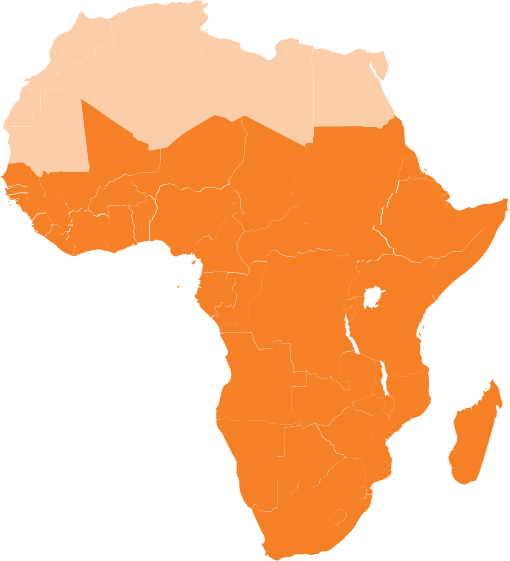
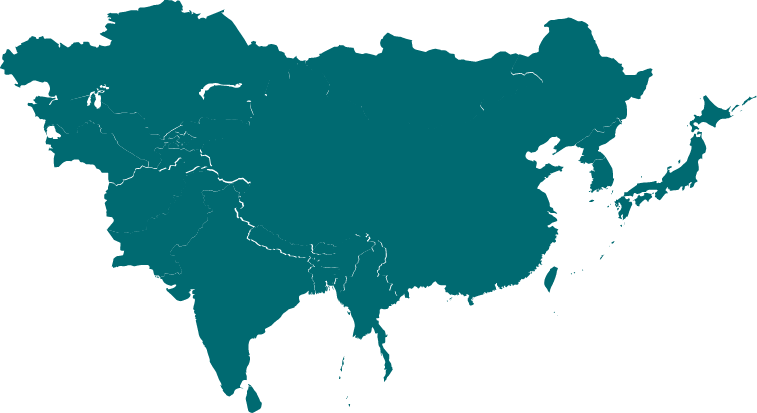
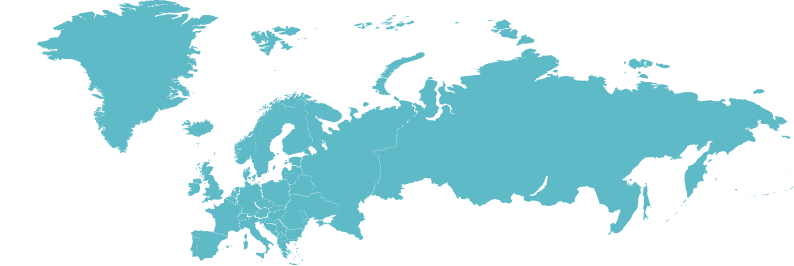
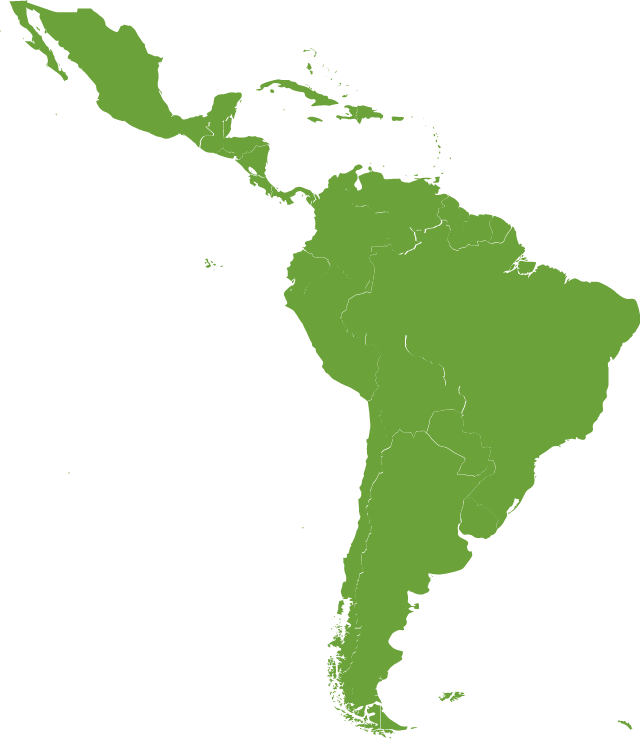
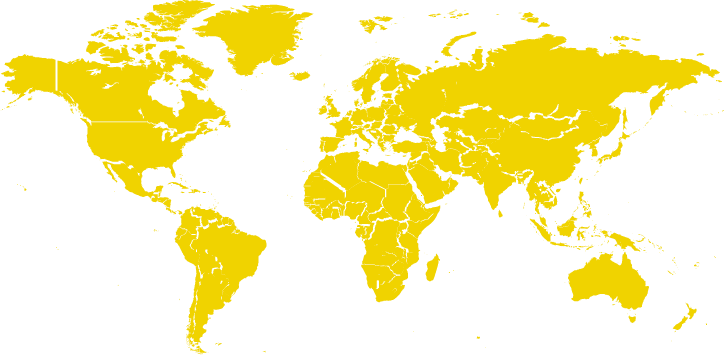
Today, URI includes over 1200 Cooperation Circles and over 2000 Individual Members in more than 120 countries, supported by thousands of Individual Members and partners. Together, they form a living web of trust that turns dialogue into action and local goodwill into measurable impact.
URI replaces old top-down systems with a network-centric structure. Leadership emerges organically, guided by shared purpose rather than hierarchy. Like natural ecosystems, the URI network grows through relationships, balance, and exchange. Each local initiative strengthens the whole, while the whole supports each effort.
A Proven Way Forward
Across decades of conflict and change, people have shown that cooperation is not an ideal; it is a proven method for solving real problems. URI carries this truth forward, offering a structure where shared principles become practical action. Much of this work happens quietly, often unseen, yet it changes lives every day. URI shines light on these local successes, communities preventing violence, restoring ecosystems, protecting rights, and bridging divides, showing that peace is achievable when people work together.
URI is more than a network; it is a way of life. It grows through trust, dialogue, and shared experience. A single project becomes a circle, a circle becomes a network, and networks connect to create collective impact and transformation.
The URI Way does not impose; it invites.
It doesn’t dictate direction; it opens pathways.
It is not about control, but connection.
URI’s success depends on trust, people choosing, again and again, to cooperate despite differences. This is how lasting peace takes root.
The Power of Connection
Just as ecosystems thrive through connection, URI brings together existing efforts for peace, justice and healing into a coordinated force for transformation. Where old systems build hierarchies, URI builds networks of trust. Where others seek to lead from the top, URI empowers from the ground up.
At the heart of this movement are Cooperation Circles and the Individual Members, two complementary pathways that connect groups and individuals committed to interfaith collaboration and community transformation. Through local and global initiatives, they prevent violence, resolve conflicts, promote reconciliation, protect the environment, advance education, empower women, youth, and Indigenous communities, and advocate for human rights.
The good news is that there is far more that unites us than divides us. History shows that when communities root themselves in shared purpose and values, they rediscover their capacity for unity, resilience, and renewal.
Peace is not a distant goal; it is a daily practice that begins with how we relate to one another. URI builds spaces of belonging and connection, and through relationships, communities rediscover their shared humanity and common purpose.
Looking Ahead
As URI enters its next 25 years, it continues to evolve with the times, deepening its work in:
• Preventing violence through a community-led, health-based approach
• Protecting and healing the Earth
• Growing and strengthening the capacity of local peacebuilders through learning and collaboration
URI’s future rests in its ability to keep linking what is already alive, connecting people and projects that together form a living architecture of cooperation. The task ahead is not growth for its own sake but a more profound connection, greater understanding, and stronger collective capacity for peace.
The URI Way is not naive. It is based on decades of witnessing what works. Every day, people in our network prove that compassion can overcome fear and that hope, when connected, becomes a force for change. Together, we can make peace, justice, and healing not only possible but inevitable.