
Bringing Young Leaders Together
The United Religions Initiative (URI) continues its commitment to building peaceful, just, and inclusive communities through its Violence Prevention Program, which focuses on addressing the root causes of conflict and preventing violence before it escalates. As part of this effort, a Violence Prevention Training Program was recently organized in a district where Muslim, Buddhist, Christian, and Hindu communities live side by side.
In recent times, this area has experienced occasional religious tensions and conflicts, highlighting the urgent need for proactive peacebuilding initiatives. Recognizing the influential role that young religious leaders play within their communities, URI organized this training with a special focus on youth leadership and interfaith collaboration.
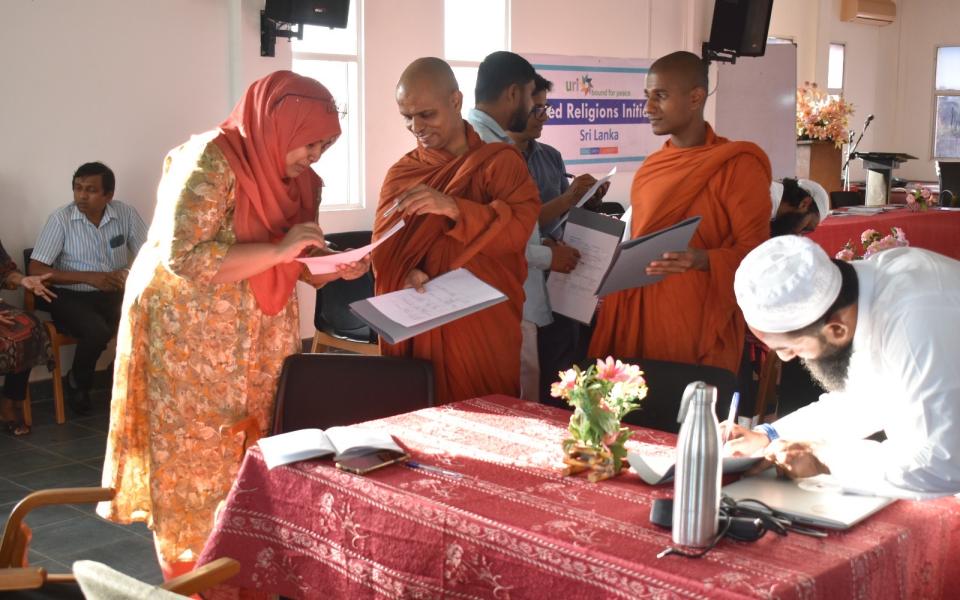
A total of 30 young religious leaders representing multiple faith traditions participated in the training. These participants included leaders from URI Cooperation Circles (CCs) as well as other civic and religious institutions. The diversity of the group reflected the pluralistic nature of the district and created a powerful learning environment rooted in mutual respect and dialogue.
The training was designed with clear and practical objectives:
- To provide basic knowledge and skills to leaders of URI Cooperation Circles and other civic leaders to help reduce potential violent reactions arising from religious or other social factors in their communities.
- To identify and develop a new generation of young religious leaders who can strengthen the URI program and actively engage in long-term peacebuilding and violence prevention efforts.
Participants explored key concepts such as the difference between conflict and violence, early warning signs of violence, nonviolent responses to tension, and the importance of religious pluralism and cooperation.
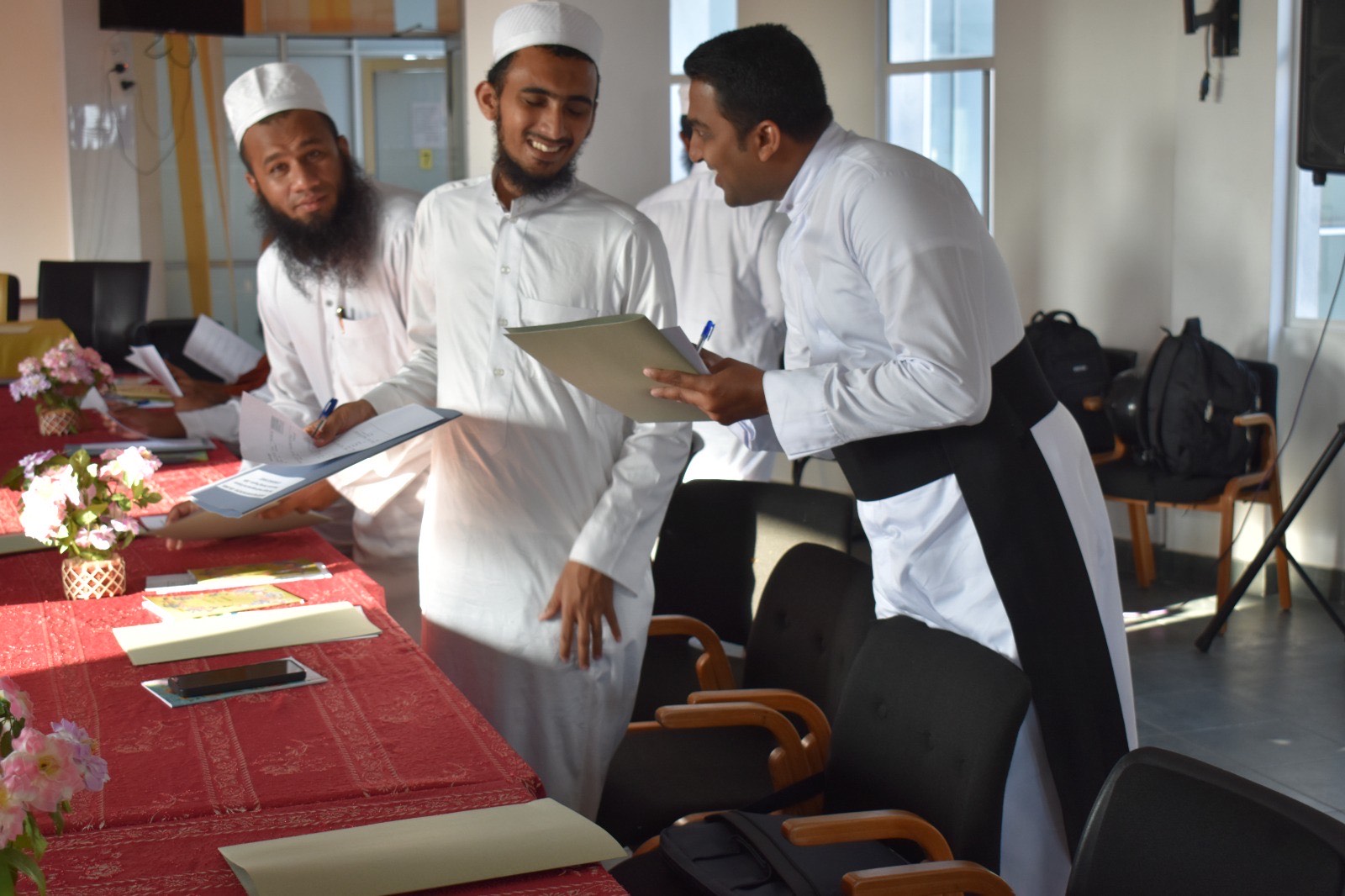
The immediate impact of the training was evident in the enthusiasm and commitment shown by participants. Many expressed a renewed sense of responsibility to act as peacebuilders and bridges between communities. The program strengthened interfaith relationships and encouraged participants to collaborate beyond religious boundaries to promote harmony and understanding.
One participant, Rev. Fr. Dilshan Fernando, shared his experience:
“I sincerely thank and congratulate URI Matara for organizing this workshop on violence prevention for young religious leaders like me. It was a valuable opportunity to learn the difference between conflict and violence, methods of preventing violence, and the importance of religious pluralism.
This training will help us connect more easily with people of other religions and contribute to peacebuilding in a multi-religious context. I hope URI will organize more programs like this in the future for the well-being of society.”
Another participant, Mohammed Majid Rahim Mohamed, an Islamic priest, reflected on the broader social impact of the training:
“As an Islamic priest, I would like to thank the URI team for organizing this workshop. It was very useful for us in our mission of healing society.
We learned what violence prevention means and how we can actively engage in it. We plan to share this knowledge with others in our communities. This program helped us better understand our society and encouraged us to work together with people of other religions.”
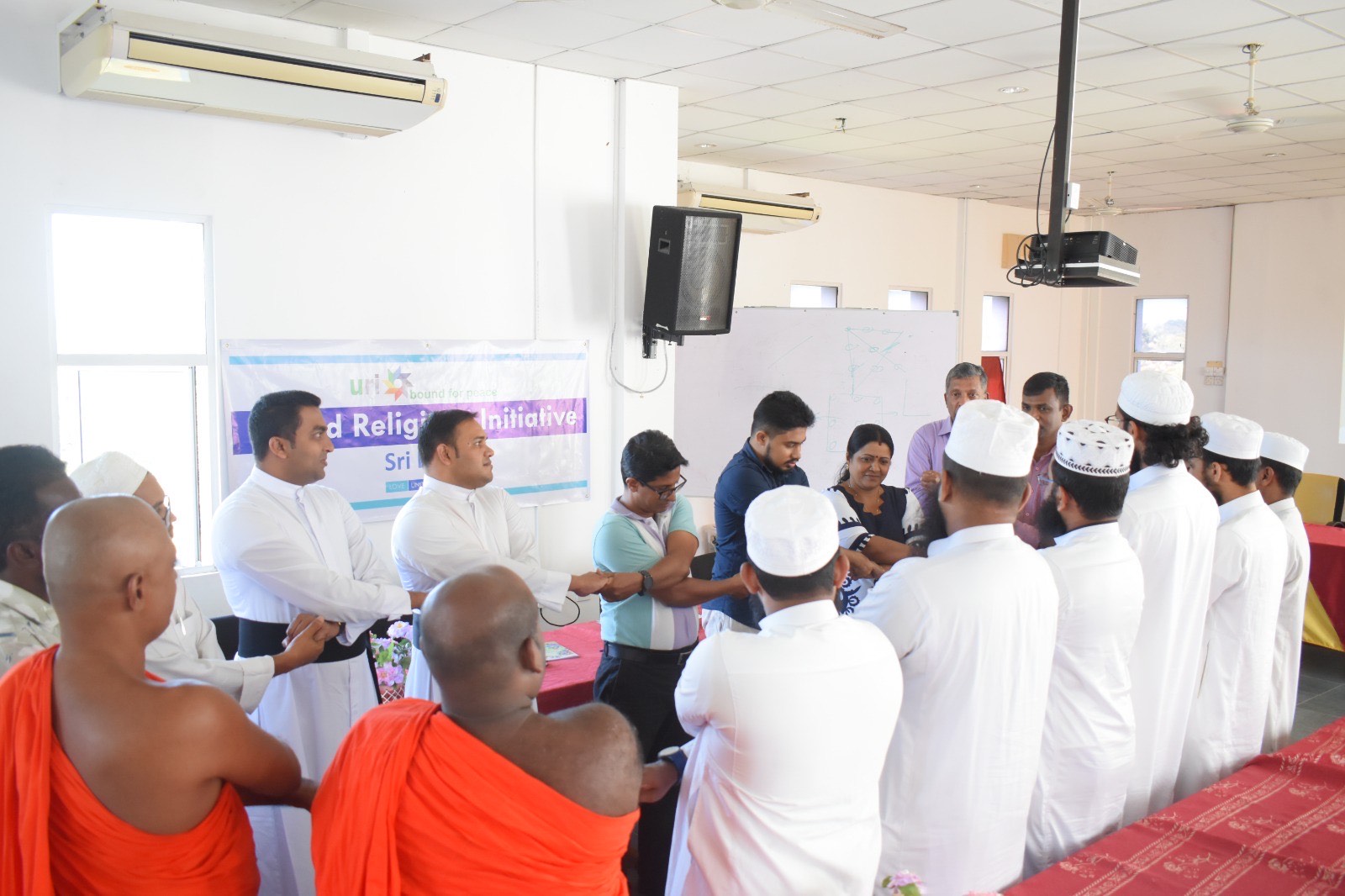
Through initiatives like this, URI’s Violence Prevention Program continues to empower young leaders, strengthen interfaith cooperation, and foster resilient communities capable of addressing conflict through dialogue and nonviolence.
By investing in youth and religious leadership today, URI is helping to build a more peaceful and inclusive future for tomorrow.