
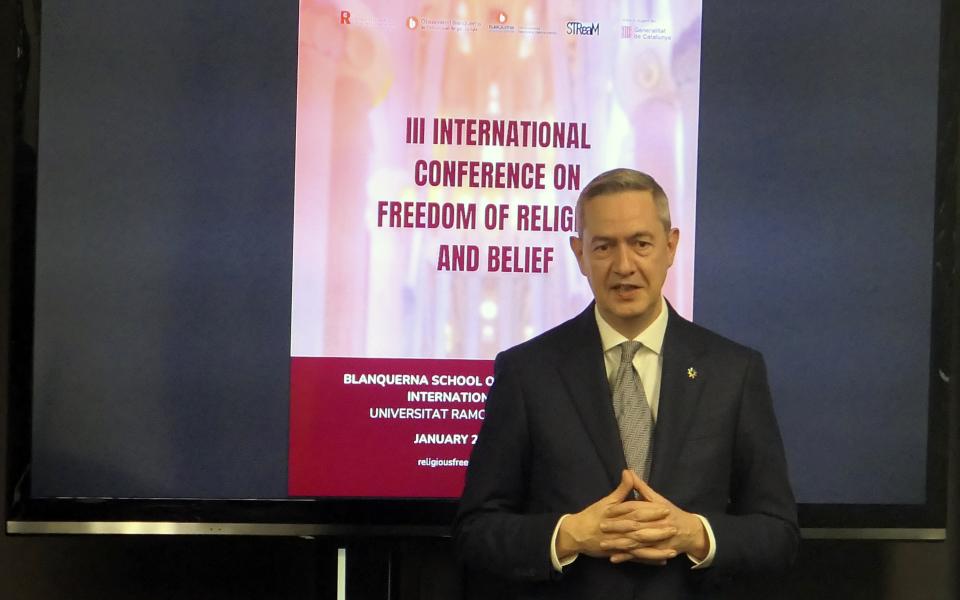
On 29 January 2026, Eric Roux, Chair of the Global Council of the United Religions Initiative (URI), participated as a speaker at the III International Conference on Freedom of Religion and Belief, held in Barcelona, Spain, from 28 to 30 January 2026.
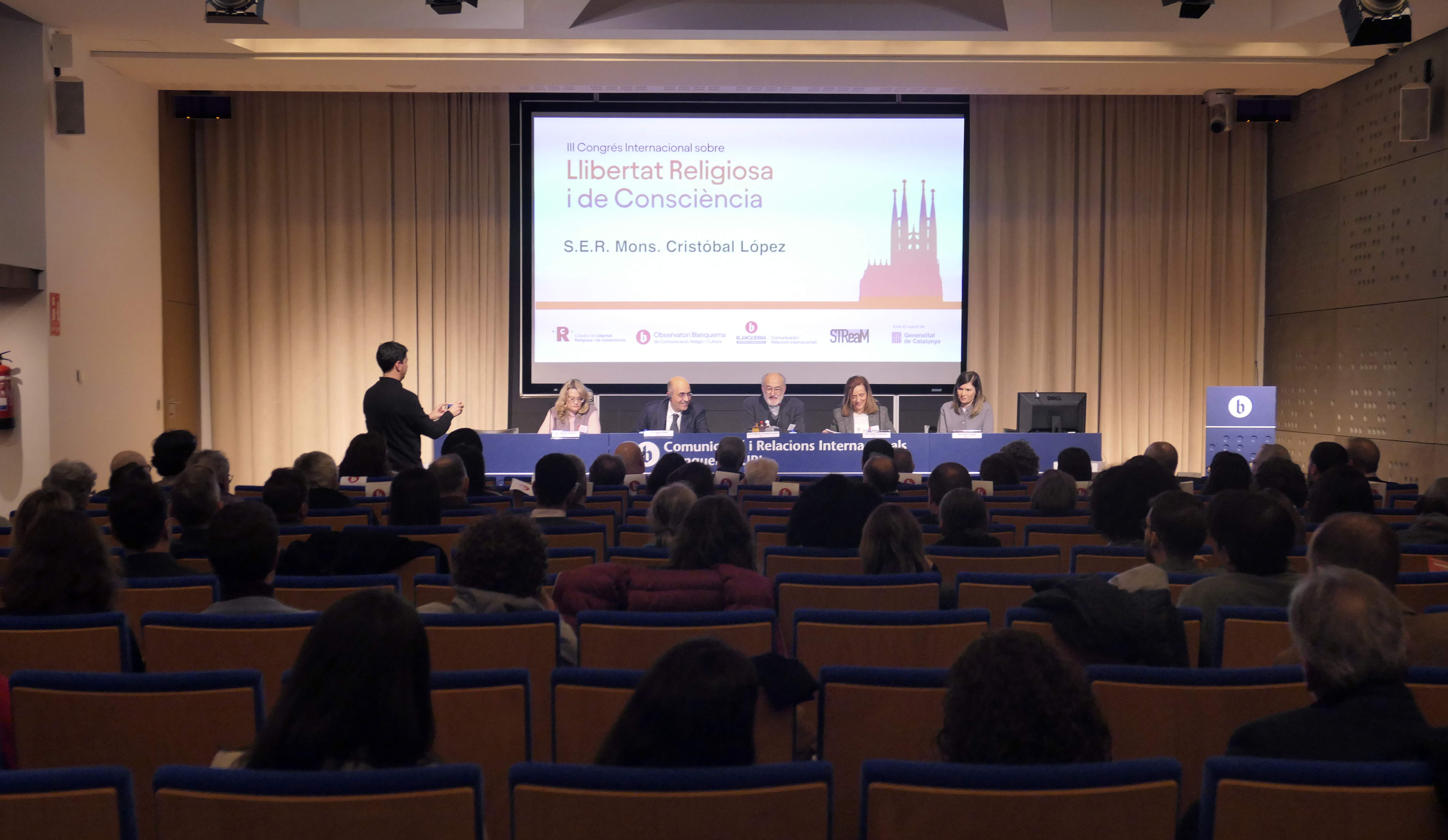
The conference took place at the Faculty of Communication and International Relations, Blanquerna – Ramon Llull University, and brought together academics, policymakers, civil society leaders, and religious actors from across the world to address contemporary challenges to freedom of religion or belief (FoRB).
The conference was organized by the Chair on Freedom of Religion and Belief of Catalonia, in collaboration with the Blanquerna Observatory on Media, Religion and Culture. Its purpose was to explore legal, social, cultural, and grassroots approaches to strengthening freedom of religion or belief in increasingly diverse and polarized societies.
Within this international forum, URI contributed a perspective grounded in twenty-five years of grassroots interreligious cooperation, emphasizing prevention, community-based action, and the central role of relationships in safeguarding religious freedom.
Moving Upstream: From Responding to Violations to Preventing Them
Discussions on freedom of religion or belief often focus on legal frameworks, state obligations, and international mechanisms. These tools are essential, but they generally intervene after violations have already taken place.
URI’s experience suggests a complementary approach: acting earlier, by addressing the social dynamics that give rise to violations in the first place. Discrimination and repression rarely emerge suddenly. They are typically preceded by fear of difference, stereotypes, misinformation, social isolation between religious communities, and the stigmatization of unfamiliar or minority beliefs.
When religious groups live side by side without meaningful interaction, it becomes easier to dehumanize minorities, instrumentalize religion for political ends, and justify exclusion. In such contexts, legal protections alone are often insufficient.
The URI Model: Cooperation Rooted in Local Communities
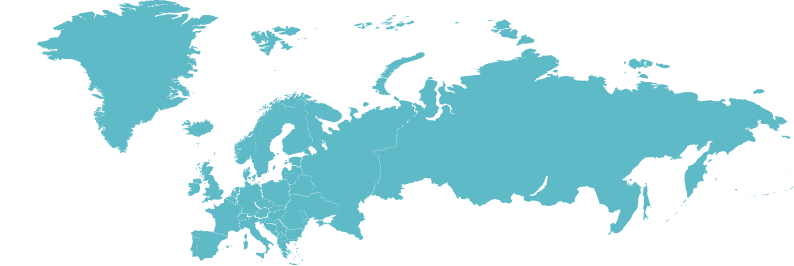
Founded in 2000, the United Religions Initiative is today the world’s largest grassroots interfaith cooperation network, with more than 1,200 Cooperation Circles in over 113 countries.
URI’s model is intentionally decentralized and community-driven. Each Cooperation Circle is a locally organized, autonomous, interreligious group formed by people rooted in their own communities—religious leaders, youth, women, educators, and community organizers—who identify shared challenges and work together to address them.
Rather than focusing solely on interreligious dialogue, URI emphasizes sustained, practical cooperation. Cooperation Circles bring people of different religions and spiritual traditions together to work on concrete issues such as peacebuilding, education, environmental protection, social inclusion, and community resilience. This approach ensures that interfaith engagement is not symbolic, but embedded in daily life and shared action.
Why Interreligious Cooperation Strengthens Religious Freedom
URI’s experience demonstrates that grassroots interreligious cooperation protects freedom of religion or belief in several interrelated ways.
First, cooperation transforms perceptions. Through long-term collaboration, individuals stop seeing one another as abstract representatives of belief systems and begin to relate as partners working toward shared goals. This process of re-humanization reduces fear and suspicion and builds trust across religious lines.
Second, cooperation addresses the root causes of FoRB violations. Regular interaction counters misinformation, challenges harmful narratives, and disrupts stereotypes before they harden into discrimination or hostility.
Third, cooperation creates informal yet powerful networks of solidarity. When a religious community faces pressure or discrimination, support from leaders and members of other religious traditions carries particular moral and social weight. Such solidarity can deter violations and create space for peaceful solutions long before formal legal mechanisms are required.
Grassroots Cooperation in a Polarized World
In a global context marked by increasing polarization and the politicization of religion, URI’s grassroots model offers a practical and scalable contribution to freedom of religion or belief. It demonstrates that communities themselves—when trusted and supported—can play a decisive role in preventing conflict and protecting diversity.
Interreligious cooperation should not be viewed as a peripheral or optional activity. As URI’s experience shows, it is a preventive strategy, strengthening the social fabric in which legal protections and human rights frameworks must operate.
A Lesson from 25 Years of Practice
URI’s participation in the Barcelona Conference on Freedom of Religion and Belief reaffirmed a lesson drawn from twenty-five years of practice: freedom of religion or belief flourishes when people are empowered to build relationships of respect, trust, and cooperation across religious and spiritual differences.
In an increasingly fragmented world, enabling people of different traditions to work together—consistently and concretely, on shared concerns—remains one of the most effective ways to ensure that freedom of religion or belief is not only defended in principle, but lived in practice.