
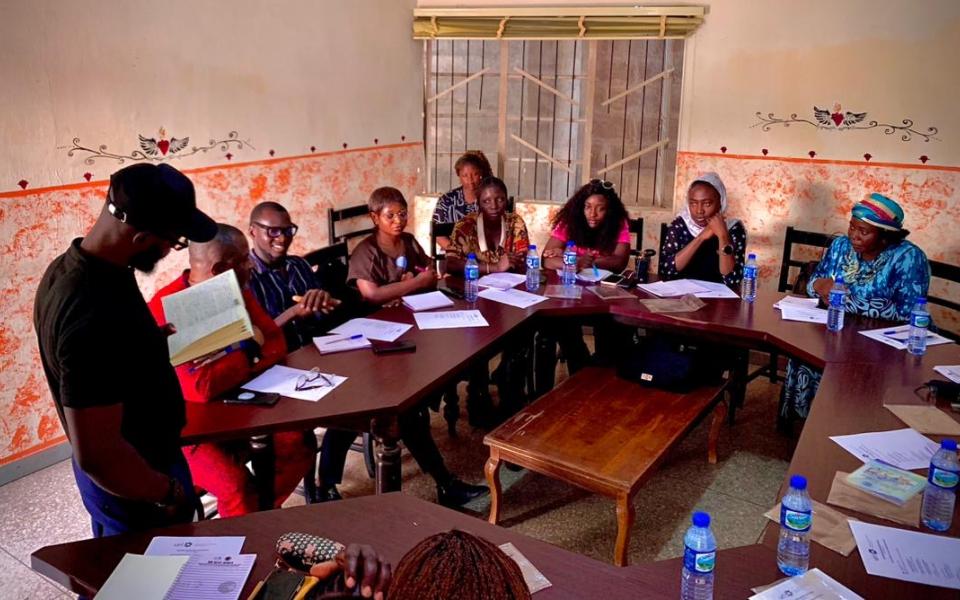
The United Religions Initiative (URI) West Africa successfully hosted a Youth Leadership and Peace Ambassadors Training program for young people in Nigeria, aimed at empowering youth to become effective leaders and advocates for peace within their communities.
The training was co-facilitated by Mr. Danie Ndukwe, URI Youth Leader, and Dr. Emmanuel Ande Ivorgba, URI West Africa Regional Coordinator, who led participants through a comprehensive series of sessions designed to build skills, inspire action, and foster a culture of peace among Nigerian youth.
The training was held on Saturday, April 11, 2026, at the Sacred Heart Pastoral Center, Opposite St. Louis College, Jos, Plateau State, Nigeria. Twenty-Five (25) young people actively participated in the training.
The program began with an inspiring opening session that stressed the importance of youth engagement in peacebuilding and leadership roles. Participants were introduced to URI's core values of tolerance, mutual understanding, and community service, which set the tone for the rest of the training. This initial segment aimed to motivate participants to see themselves as vital agents of positive change.
The first substantive session focused on Leadership Development. Participants explored the essential qualities of effective leaders, including integrity, empathy, communication, and resilience. Interactive activities such as self-assessment exercises and group discussions helped attendees identify their personal leadership styles and strengths.
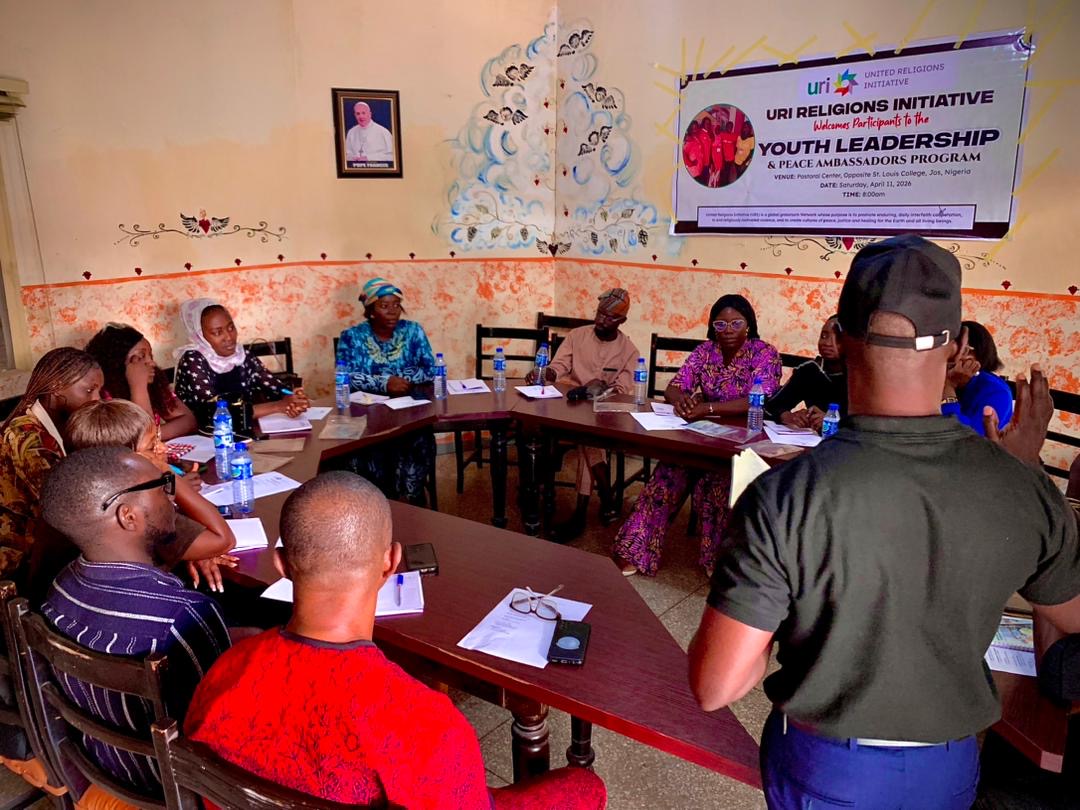
The facilitators emphasized that leadership is about service and responsibility and encouraged youths to harness their unique abilities to drive community development.
Following this, the training moved into Peacebuilding and Conflict Resolution. This critical session delved into the root causes of conflicts, including social, economic, and political factors. Participants learned practical conflict resolution techniques, such as active listening, negotiation, and mediation.
Role-playing exercises simulated real-life scenarios, allowing young people to practice peaceful dialogue and develop skills for mediating disputes effectively. The facilitators emphasized that youth could play a crucial role in preventing violence and promoting social cohesion.
The third key session was Youth as Peace Ambassadors. This segment highlighted the vital role of young people in fostering peace and tolerance. Participants discussed strategies for community engagement, including organizing peace campaigns, dialogue forums, and outreach activities.
They shared ideas on leveraging their peer networks to spread messages of unity and understanding. The facilitators encouraged participants to develop actionable peace projects that could be implemented within their local communities.
The session on Facilitation, Culture, and Practices focused on enhancing participants' understanding of effective facilitation techniques within diverse cultural contexts. It emphasized the importance of cultural sensitivity, inclusivity, and respect during group discussions and community engagements. Participants learned how cultural beliefs, traditions, and practices influence communication and group dynamics, and how facilitators can adapt their approaches to accommodate different cultural norms.
The session also covered best practices for creating a welcoming environment, fostering open dialogue, and ensuring all voices are heard. Overall, it equipped youth with the skills to facilitate meaningful conversations and peacebuilding initiatives that are culturally appropriate and respectful of diversity.
Another important component was Effective Communication and Advocacy. This session equipped youth with skills to articulate their ideas convincingly and influence others positively.
Participants learned how to craft compelling messages, engage with media outlets, and utilize social media platforms for advocacy. Practical exercises included creating advocacy campaigns and practicing public speaking to boost confidence and communication efficacy.
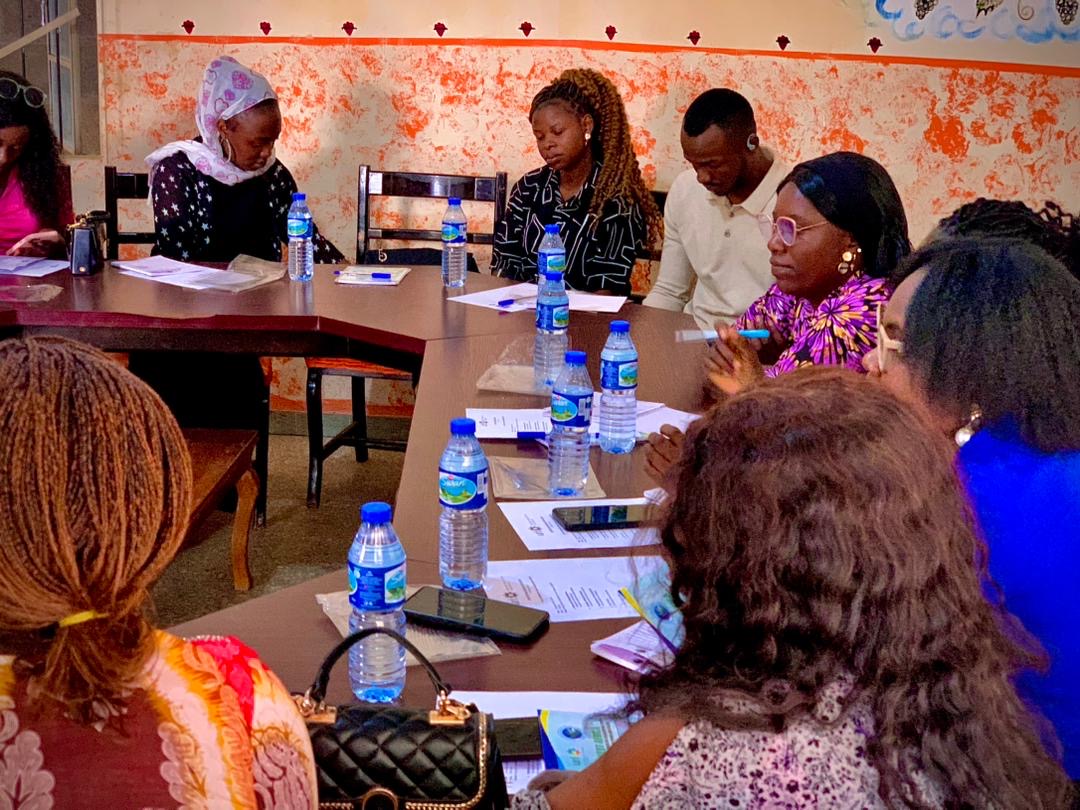
Throughout the training, emphasis was placed on active participation, peer learning, and fostering a sense of responsibility among young people to lead by example. The facilitators underscored the importance of teamwork, empathy, and cultural understanding in building peaceful communities.
The program concluded with a commitment from participants to develop and implement peace initiatives in their communities. They were encouraged to form youth groups dedicated to peacebuilding and to serve as ambassadors promoting tolerance and social harmony.
The training effectively empowered Nigerian youth with the skills, knowledge, and motivation to become proactive leaders and peace advocates.