
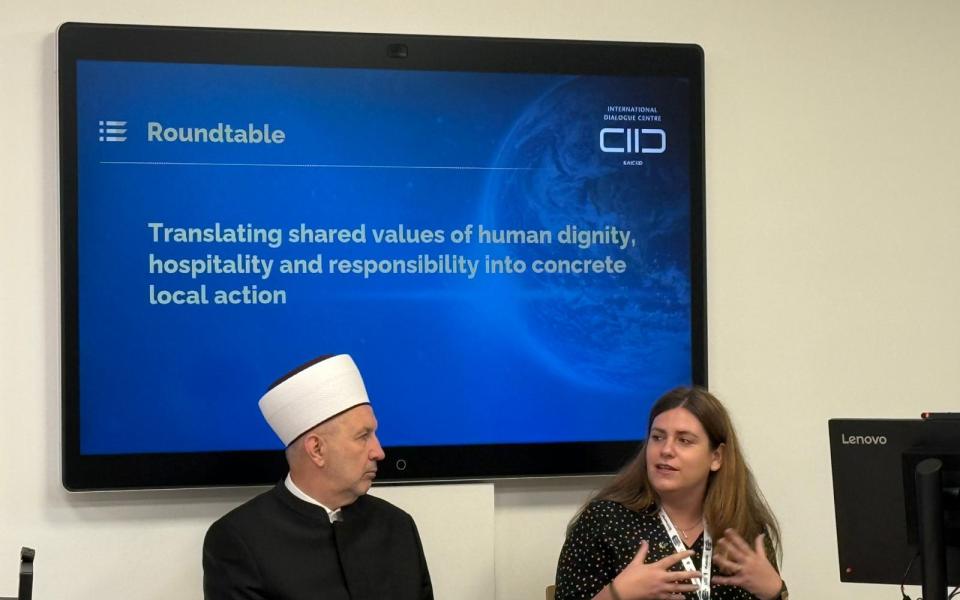
I recently had the privilege of participating in the KAICIID-led Open Panel at the European Academy of Religion (EuARE) 2026, held at LUISS University in Rome. The panel, titled "The 'Hardware' and 'Software' of Migration: Policy, Ethics, and Interreligious Dialogue in the Western Balkans," was organized by KAICIID as part of the EuARE programme and focused on how migration governance, services, policies, ethics, narratives, and interreligious dialogue can work together to build more inclusive and resilient societies in the Western Balkans.
The panel brought together scholars, religious leaders, KAICIID Fellows, and practitioners working on migration, interreligious dialogue, and social cohesion. The discussion explored how religious leaders and faith-based actors can help counter xenophobia, strengthen social bonds, promote evidence-based approaches, and support communities in welcoming migrants and refugees with dignity and responsibility.
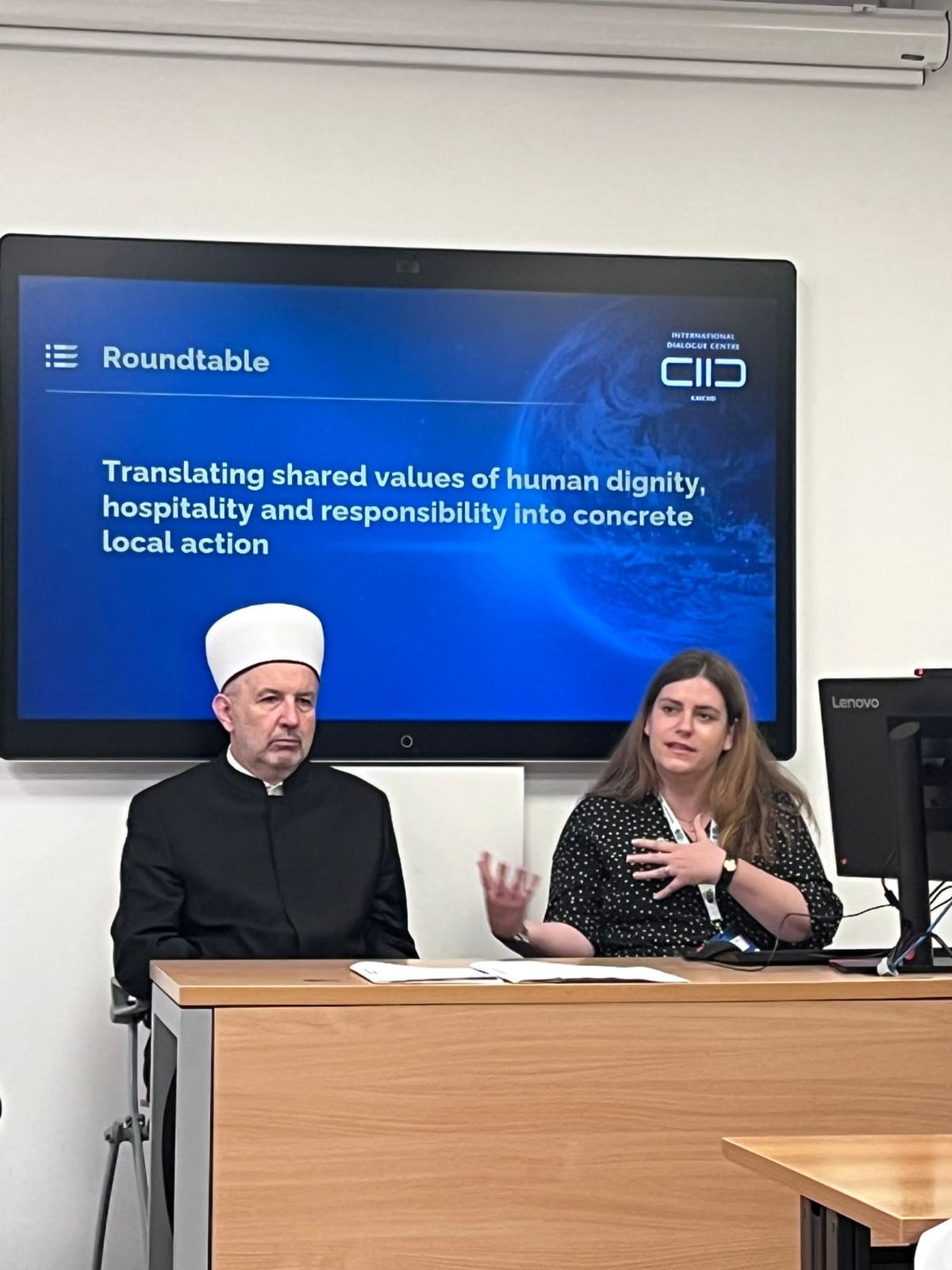
I participated as a discussant, representing URI and also drawing on my experience as a KAICIID Fellow. My intervention focused on the need to move beyond charitable responses to migration and toward genuine participation, one in which migrants, local communities, grassroots actors, youth, women, and religious leaders become co-creators of more inclusive communities. I also emphasized that interreligious dialogue must be measured not only by meetings, panels, or public statements, but by whether it changes relationships, reduces fear, strengthens trust, and helps communities act together in practical ways.
A key theme of the conversation was the relationship between the "hardware" of migration policies, services, institutions, and local action and the "software" of migration ethics, narratives, trust, human dignity, hospitality, and interreligious engagement. This framing is highly relevant to URI's work, especially in the Western Balkans, where memories of conflict, exclusion, and division continue to shape social relationships. The panel also highlighted the importance of moving from dialogue to active interreligious engagement, where religious actors do not merely speak about coexistence but work together publicly to defend dignity, justice, and the rights of others.
I was honored to share the panel with distinguished speakers and discussants, including Dr. Nedžad Grabus, Mufti of Sarajevo, Co-President of Religions for Peace, and member of the Interreligious Council in Bosnia and Herzegovina; Mr. Torsten Moritz, Director of the Churches' Commission for Migrants in Europe; Dr. Danica Šantić, University of Belgrade, Faculty of Geography, and Executive Board Member of the Western Balkans Migration Network; Father Vedran Obučina, Director of the Centre for Interreligious Dialogue, KAICIID Fellow, and URI Individual Member; Protodeacon Mladen Kovačević of Saint Sava Cathedral and KAICIID Fellow; and Professor Stefano Volpicelli, Associate Professor on Environmental Crises and Migrants at Antonianum University.
For URI, this was a valuable opportunity to strengthen visibility and relationships with KAICIID, EuARE participants, religious leaders, scholars, and civil society actors from the Western Balkans and wider Europe. It also created space to share URI's grassroots perspective and to highlight the importance of local actors, Cooperation Circles, and community-based peacebuilding in addressing migration, polarization, and social cohesion.
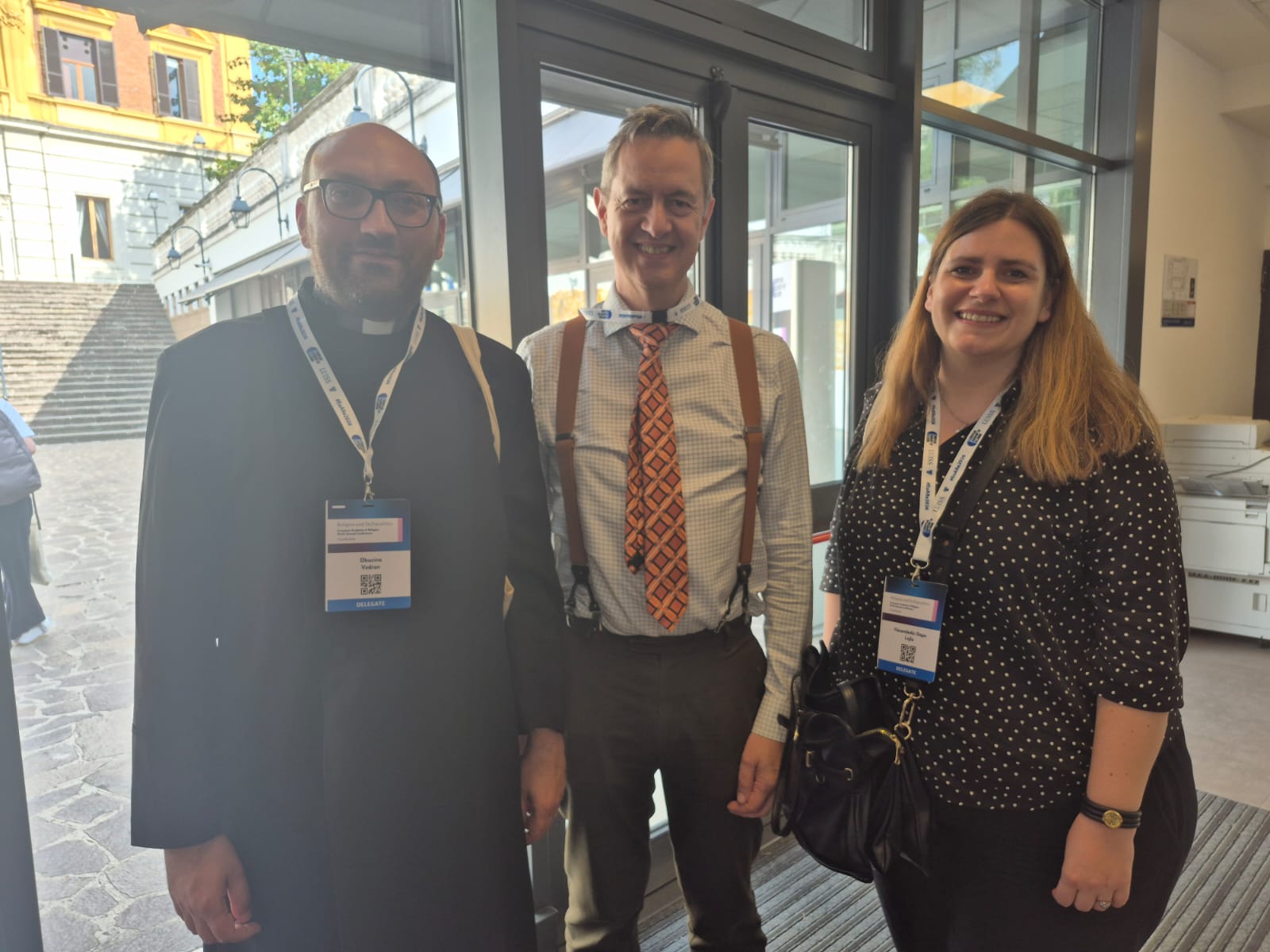
On the sidelines of the panel, I also met with Father Vedran Obučina, a URI Individual Member and Director of the Centre for Interreligious Dialogue in Rijeka, Croatia. We discussed the possibility of him forming a new Cooperation Circle in Rijeka, connected to the work of the Centre a meaningful opportunity for URI's presence in Croatia and for strengthening interreligious dialogue and cooperation in the region.
In addition, KAICIID organized a dinner with Fellows, colleagues, speakers, and friends. This was a valuable opportunity to reconnect with other KAICIID Fellows and partners, meet new colleagues, and discuss future possibilities for cooperation. These informal conversations further strengthened URI's relationship with KAICIID and opened space for future collaboration around interreligious dialogue, migration, youth engagement, social cohesion, and peacebuilding in Europe.
Altogether, this participation was valuable not only as a speaking opportunity but also as a strategic relationship-building moment for URI. It helped raise URI's visibility in European interreligious and academic spaces, strengthened our connection with KAICIID, and opened concrete possibilities for future collaboration.
If our Communications colleagues think it would be useful, this could also be shared through URI's social media or other communication channels. Eric may also be able to share more about his own panels and participation at EuARE, which could help present a fuller picture of URI's presence at the event.