
Faith and community leaders from across North America gathered in Oxford, Ohio, to strengthen their capacity to remain in relationship through some of the most difficult conversations facing their communities.
What becomes possible when we meet one another with curiosity?
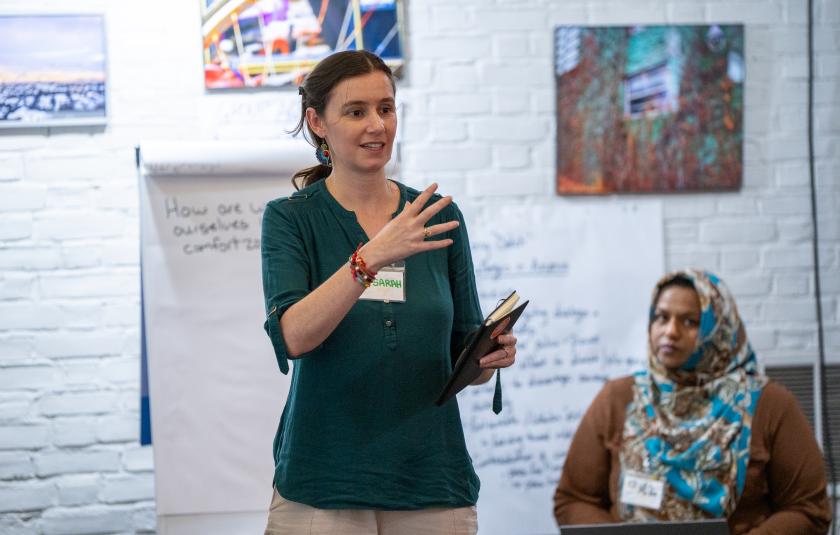
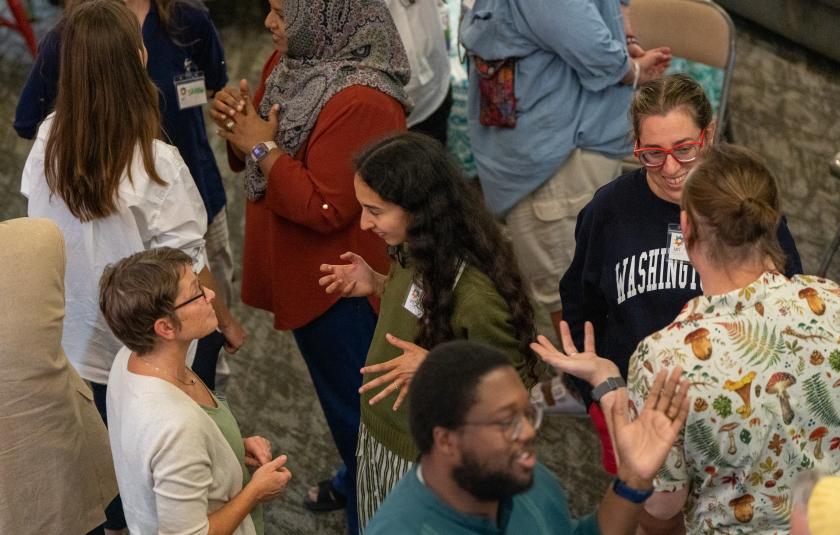
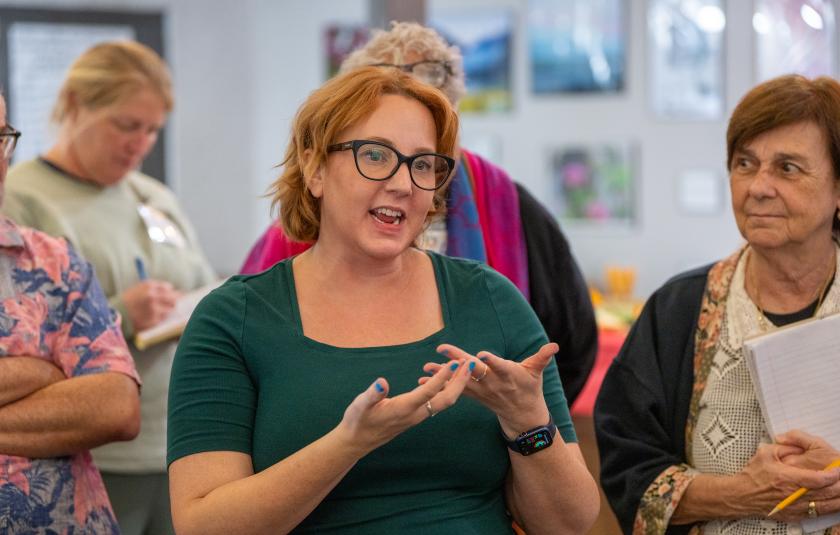
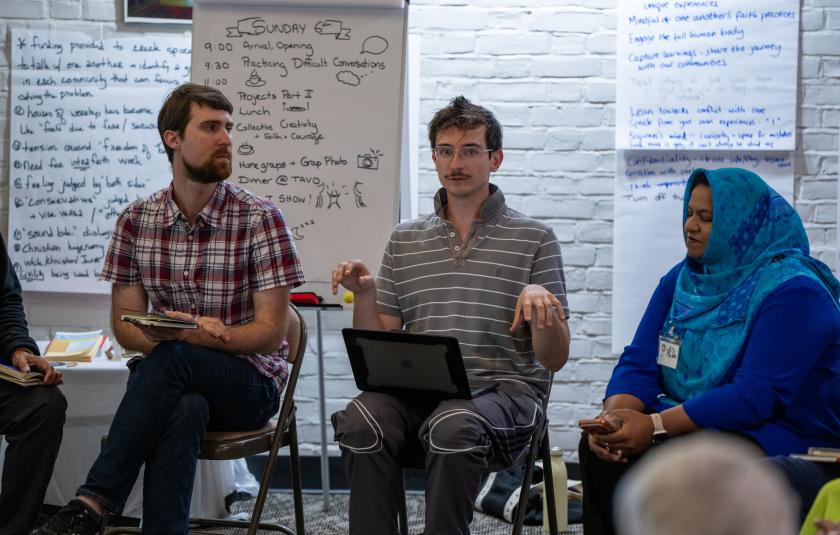
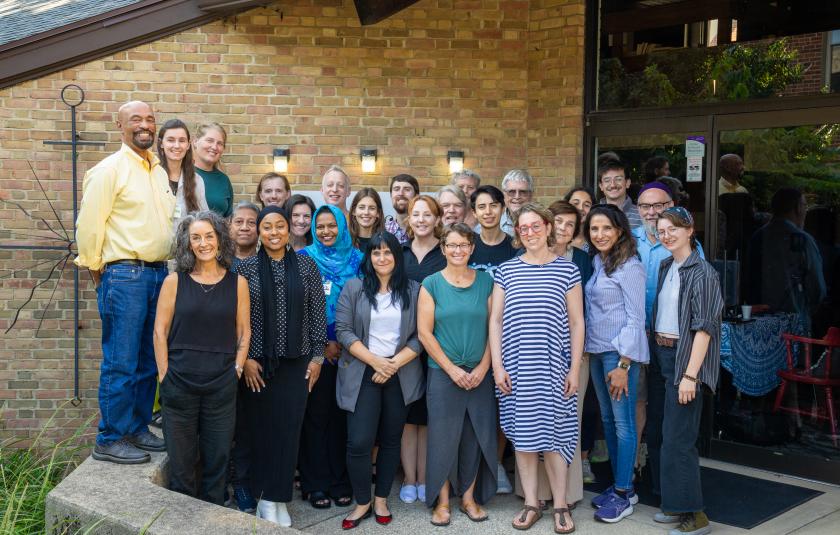
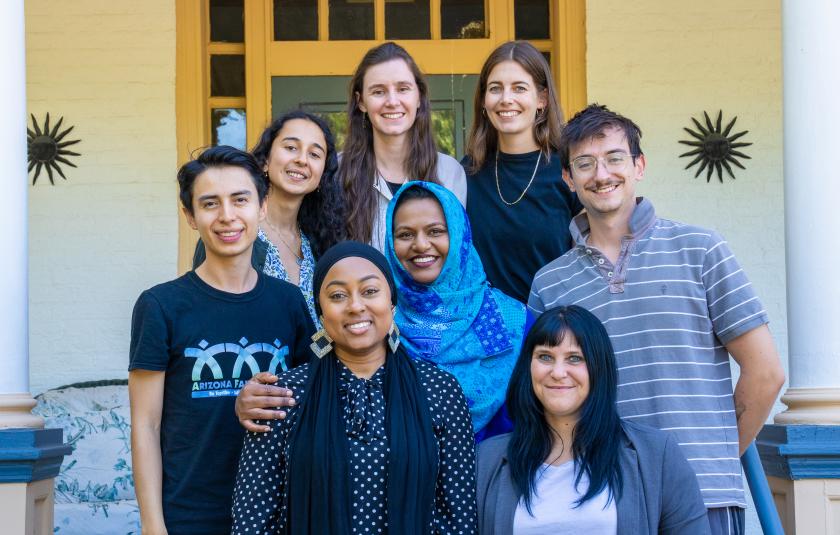
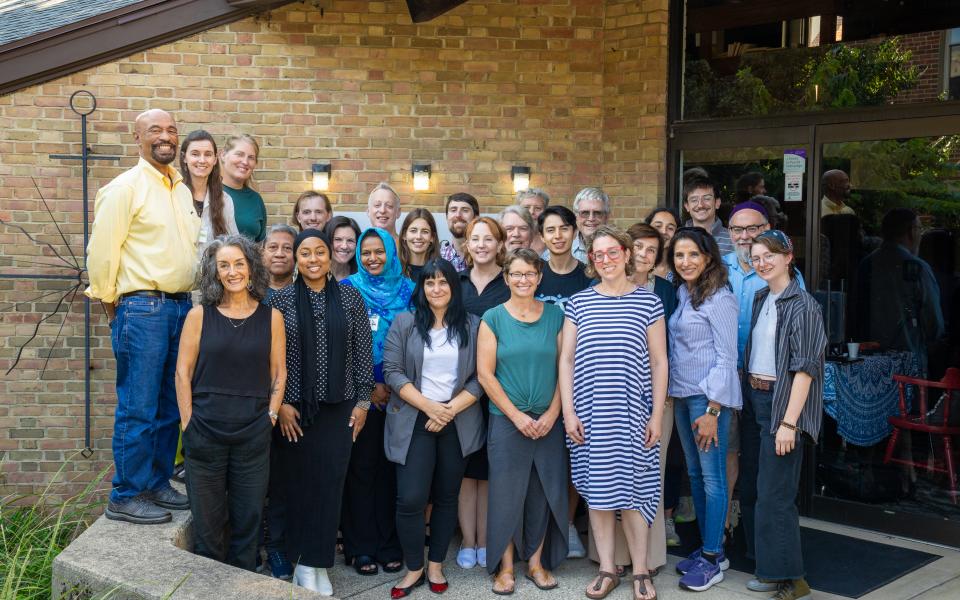
From September 4–7, 2026, approximately 30 religious, spiritual, and community leaders from across North America came together in Oxford, Ohio, for the in-person portion of URI North America’s Leading with Curiosity & Courage cohort.
The gathering was part of a larger learning journey that began online. Before arriving in Oxford, participants met virtually to begin building relationships, establish shared commitments, and explore the practices needed to engage difficult conversations with greater honesty, compassion, and courage. The in-person retreat allowed those relationships to deepen in ways that are only possible when people share the same space.
Participants arrived representing different faiths, cultures, communities, professions, generations, and lived experiences. They did not come because they agreed on every issue. They came because they shared a belief that disagreement does not have to result in dehumanization - and that relationships across difference are essential to the work of peacebuilding.
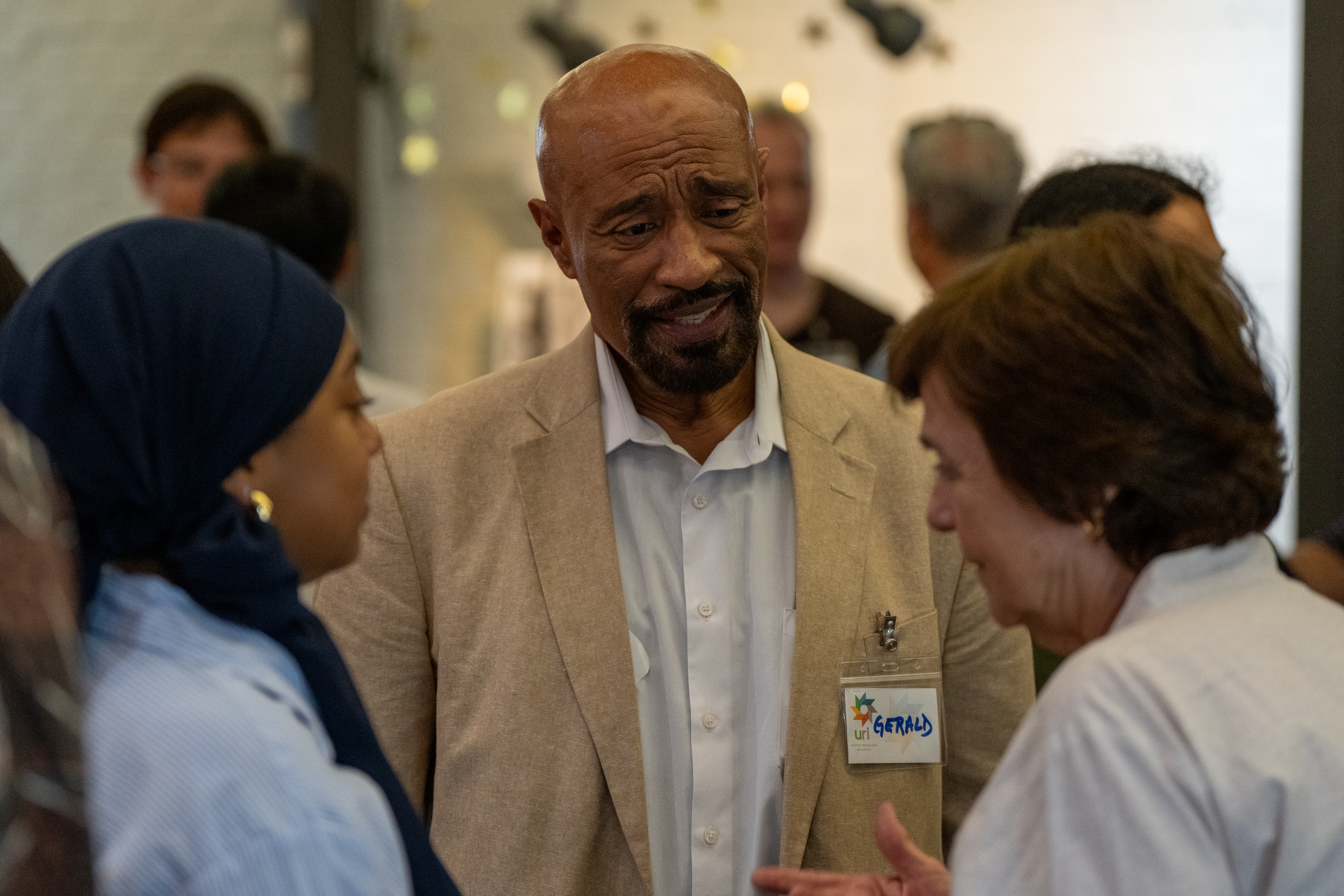
The cohort explored three particularly challenging issues affecting communities throughout North America: the local impact of the conflict in Israel and Palestine, immigration, and the rise of Christian nationalism.
These subjects were not approached as abstract debates. Participants were invited to consider the people, histories, fears, grief, identities, and convictions carried within them.
The purpose was not to persuade one another to adopt a particular position. It was to practice remaining present, curious, and grounded when conversations became difficult.
Courage does not require the absence of discomfort
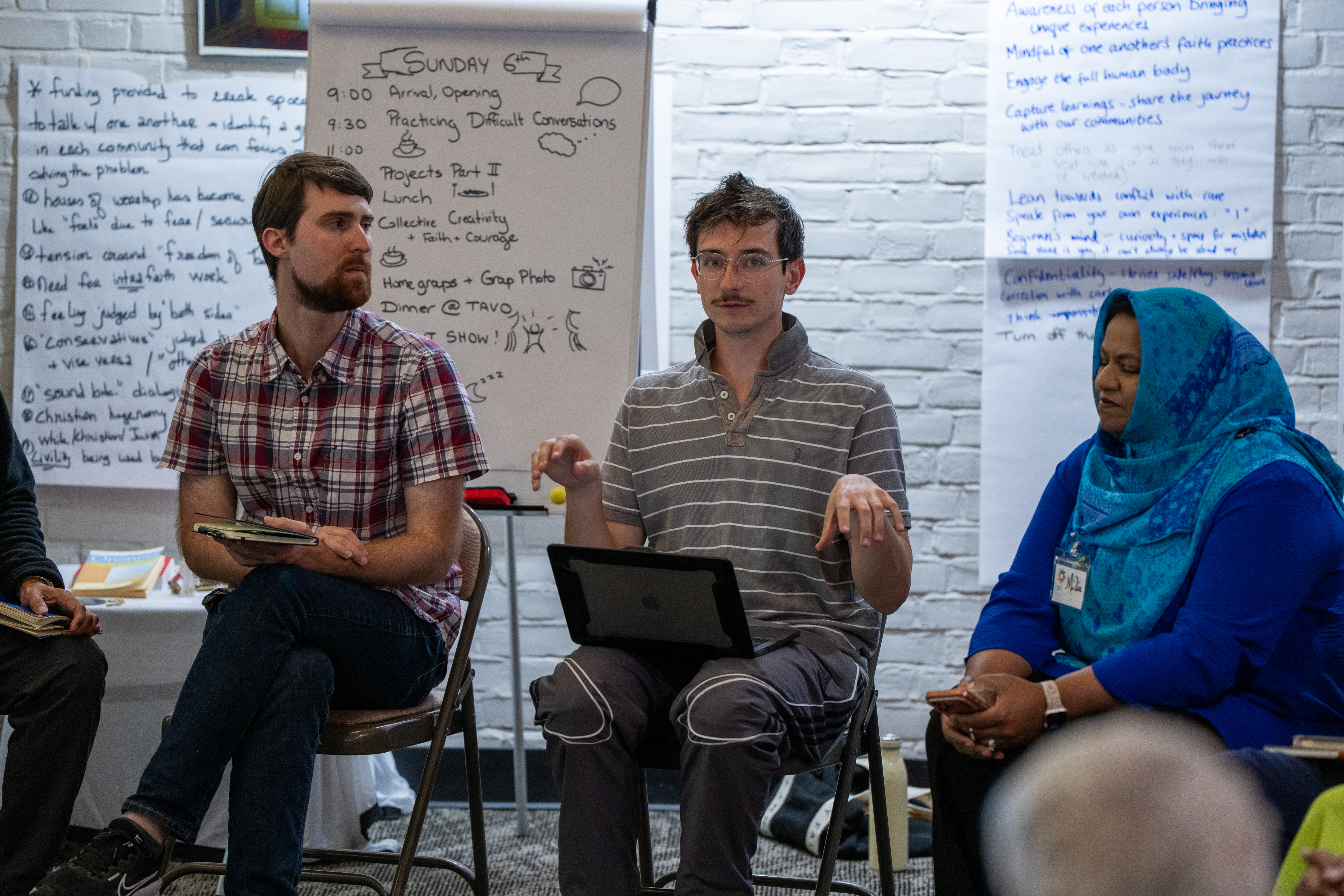
In many public conversations, people are encouraged to speak quickly, defend their positions, and respond immediately. The gathering offered a different invitation: slow down, listen deeply, ask sincere questions, and pay attention to what is happening within ourselves as we encounter another person’s experience.
Participants explored how curiosity can interrupt assumptions and make room for greater understanding. They considered how courage can help people speak truthfully while remaining attentive to the dignity of others.
The gathering also recognized that courageous dialogue requires more than intellectual skill. Difficult conversations affect the heart, body, spirit, and nervous system. Participants were therefore invited to draw upon their religious, spiritual, and personal practices as sources of grounding and resilience.
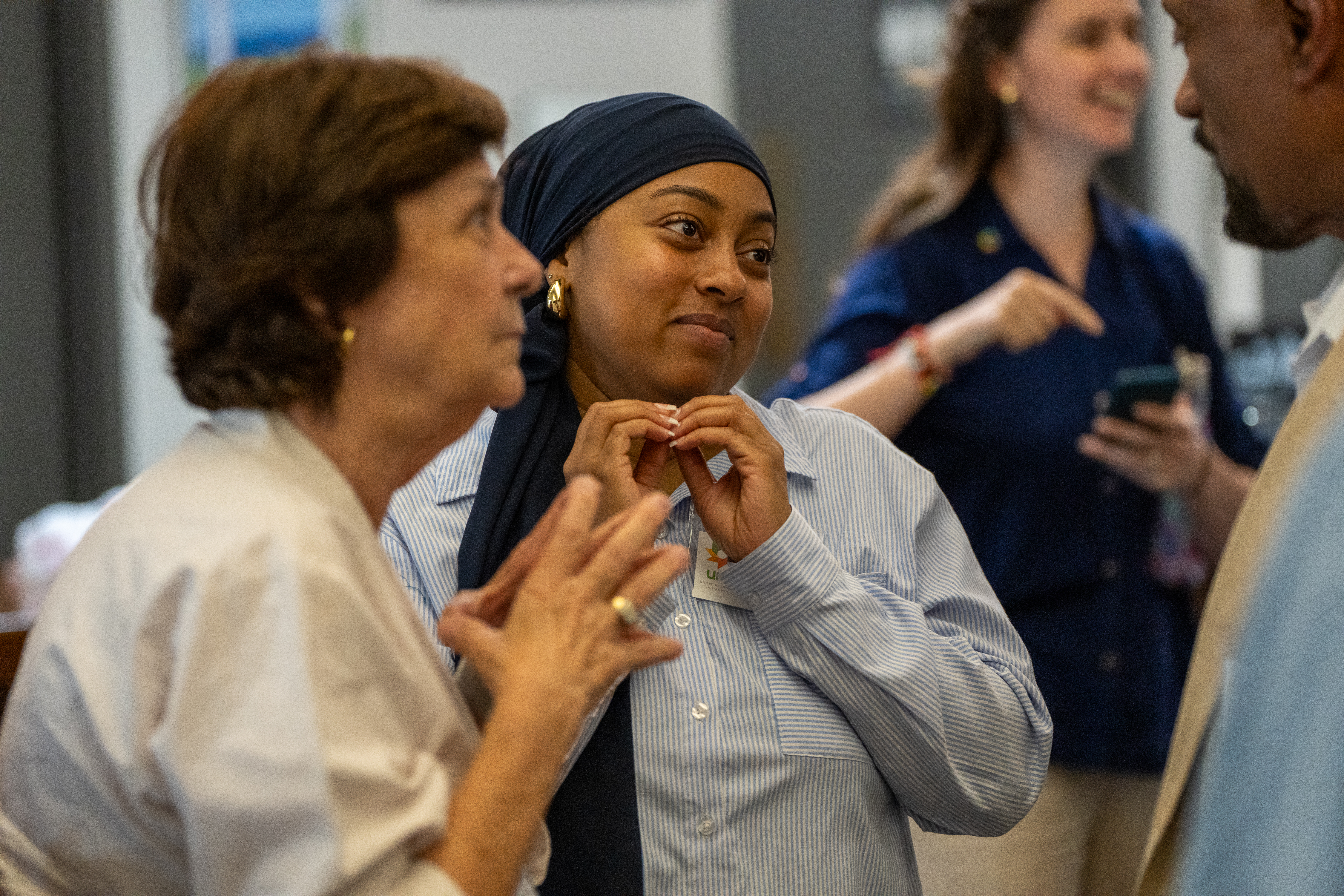
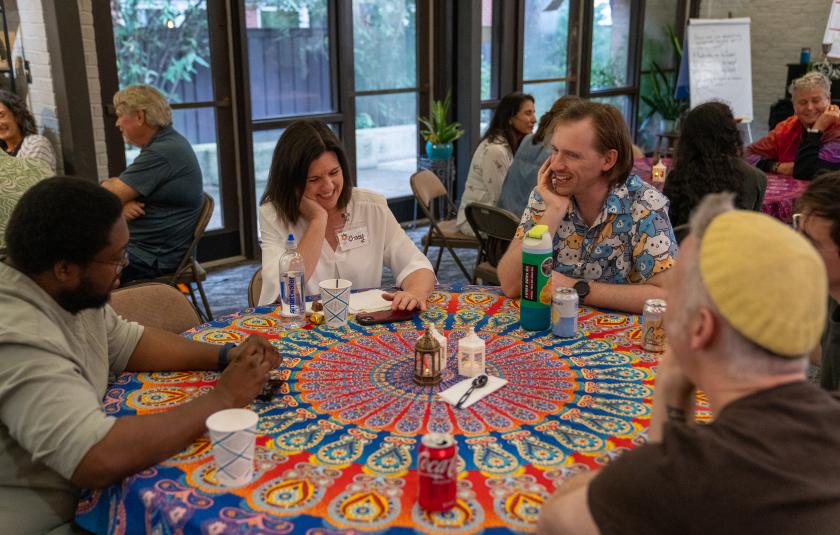
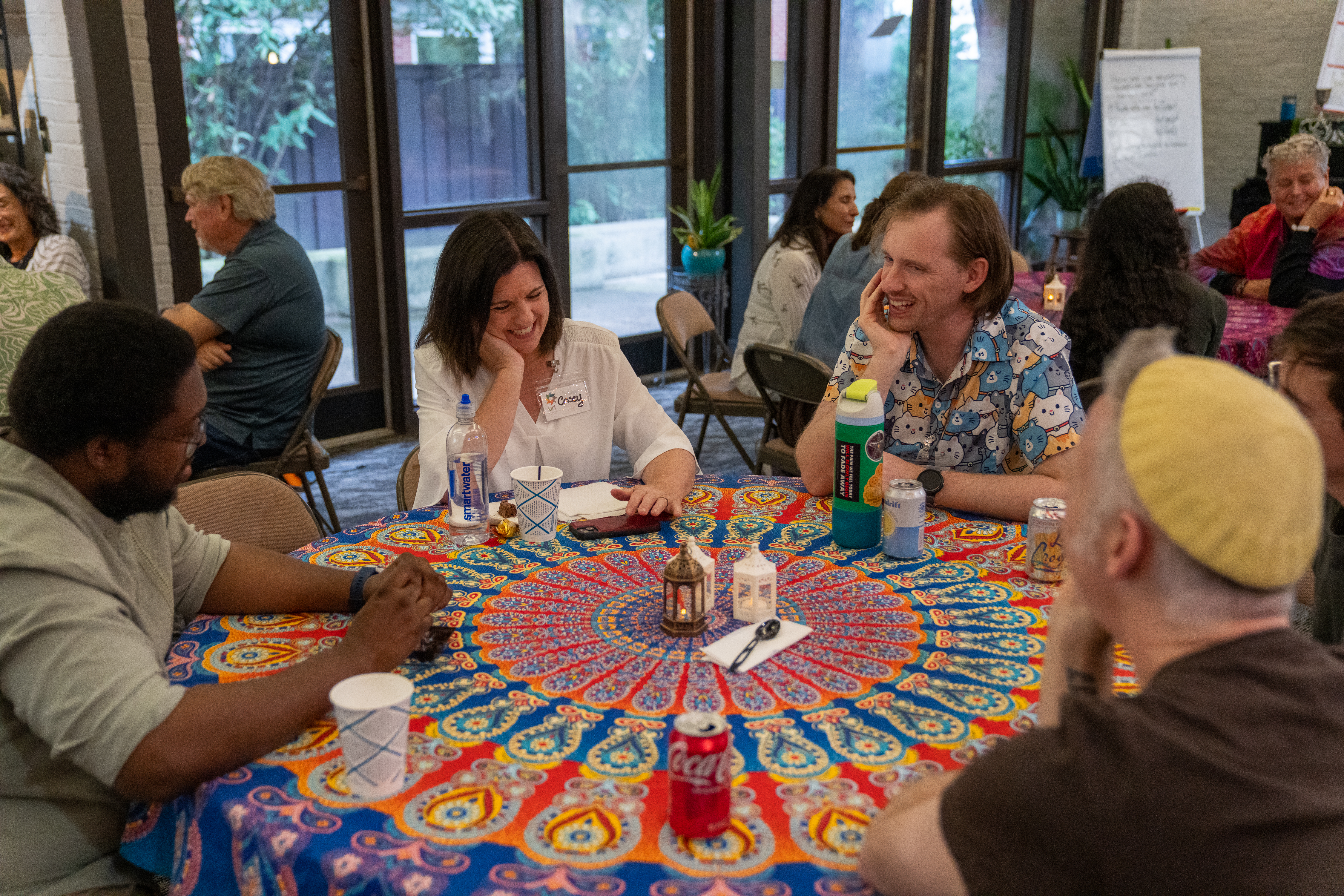
Times of reflection, shared meals, informal conversations, and moments of laughter became as important as the structured sessions. Relationships continued to form in hallways, around tables, and in the homes where participants stayed together.
These moments reminded the group that peacebuilding is not sustained through techniques alone. It is sustained through trust.
From strangers to a learning community
At the beginning of the process, many participants knew only a few names or faces on a screen. Over the course of the gathering, the cohort became a community of people willing to listen, learn, question, and remain connected.
Participants shared stories about experiences that had shaped their understanding of conflict, faith, identity, belonging, and courage. They were invited to examine not only what they believed, but also how they carried those beliefs into their relationships and communities.
Differences did not disappear. Nor were they expected to.
Instead, participants practiced creating enough trust for complexity to be acknowledged. They discovered that curiosity does not mean abandoning conviction, and courage does not require overpowering another person. Both can become practices that allow people to meet across real differences without denying the humanity present on either side.
This is demanding work. It requires humility, patience, self-awareness, and the willingness to be changed by what we hear.
Carrying the learning home
The Oxford gathering was not intended to be the conclusion of the process. Participants returned to communities where many of these same difficult conversations are taking place - in congregations, classrooms, interfaith councils, nonprofit organizations, families, and public spaces.
The deeper invitation is to carry the practices of curiosity and courage into those settings.
How might a faith leader respond differently when a community is divided?
How might an interfaith organizer create space for stories that are often excluded?
How might a community remain in relationship when members carry profoundly different experiences of the same conflict?
And how might spiritual grounding help peacebuilders continue their work without becoming hardened, overwhelmed, or disconnected from one another?
The cohort will continue reflecting on these questions through follow-up conversations and the relationships formed during the program.
The gathering demonstrated that peace does not begin only when agreement is reached. Sometimes peace begins earlier - in the decision to listen, the courage to ask another question, and the willingness to remain at the table.
Each act of curiosity creates an opening. Each act of courage helps sustain it. Together, they form relationships strong enough to hold difference and communities more capable of building peace.