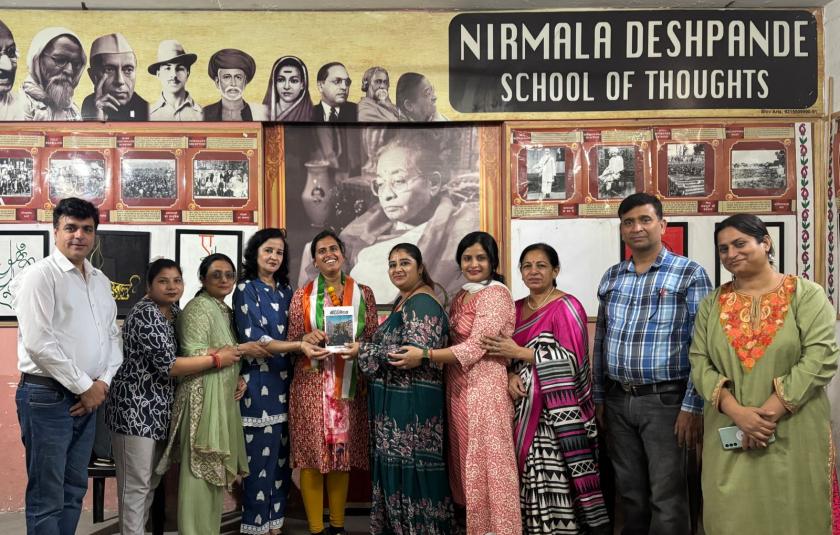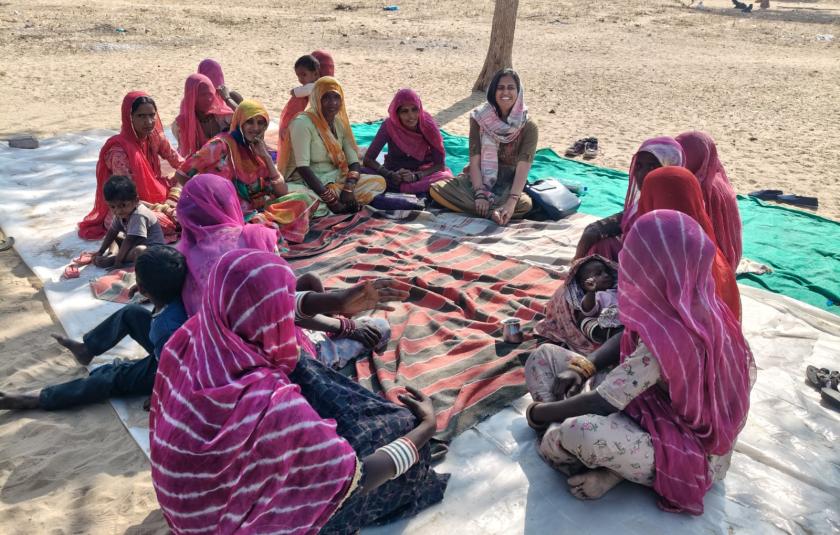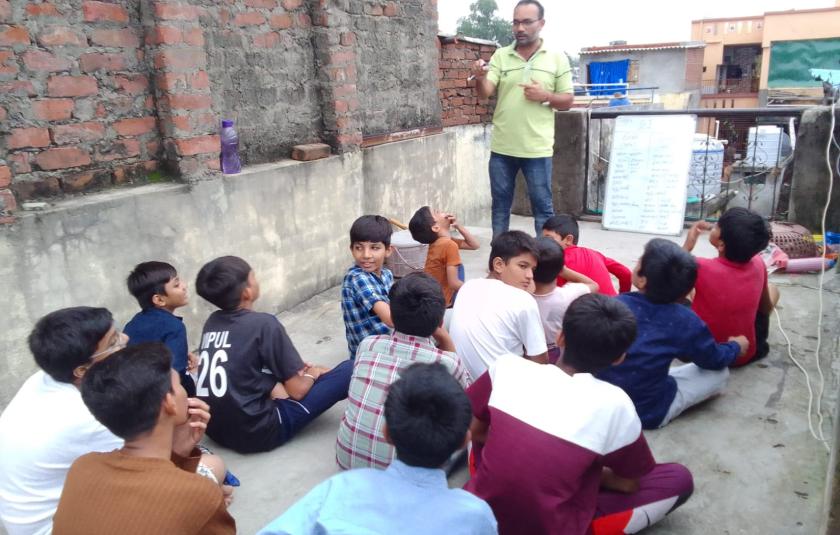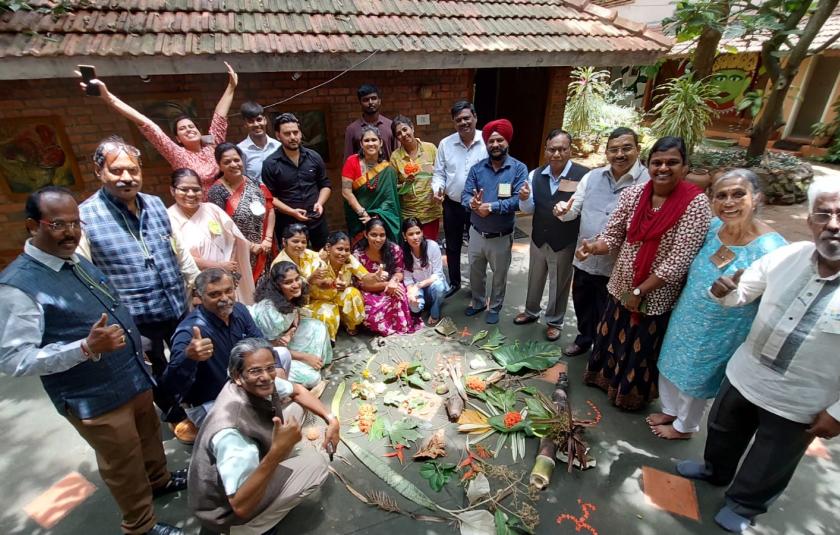

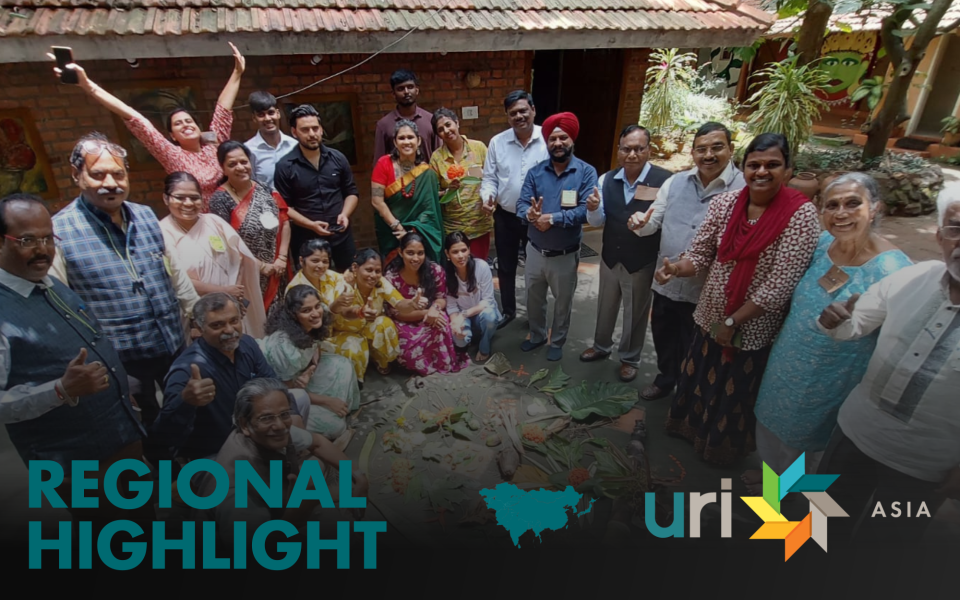
Asia is one of URI’s most dynamic and influential regions, home to ancient faith traditions, rapidly growing youth populations, and communities working on the frontlines of religiously motivated violence, climate crisis, and social fragmentation. Across URI Asia, URI’s Cooperation Circles (CCs) translate shared global values into sustained local action to promote enduring, daily, interfaith cooperation, end religiously motivated violence and create cultures of peace, justice, and healing.
Asia Region Highlights
- Hundreds of active Cooperation Circles across India and Sri Lanka
- Strong growth in youth-led and interfaith initiatives
- Deep partnerships with civil society, educational institutions, and humanitarian actors
- Asia serves as a multiplier region for URI’s global priorities: violence prevention, youth leadership, and care for the Earth
What distinguishes URI in Asia is not short-term programming, but long-term presence, trusted relationships, local leadership, and a connective tissue that links grassroots action to a global movement for peace.
South India
Sustained Peace Through Youth, Faith, and Community
South India is the largest URI region globally, with more than 159 Cooperation Circles across Kerala, Tamil Nadu, Karnataka, Andhra Pradesh, Telangana, and Puducherry. These CCs include schools, universities, NGOs, community-based organizations, and faith institutions, collectively reaching millions of people.
URI’s impact in South India reflects decades of patient, values-based work
· Over 400 young leaders from India, Sri Lanka, and Bangladesh were trained through the URI Travelling Peace Academy
· More than 200,000 youth enrolled as Peace Ambassadors through One Billion Youth for Peace
· Strong culture of local fundraising, demonstrating community ownership and sustainability
Peace in South India is not the result of one program, but of intergenerational investment, where sports, education, interfaith learning, and environmental stewardship reinforce one another over time.
“Lasting peace is built slowly, through trust and shared responsibility,” reflects a South India CC leader. “URI gave us a framework to grow together.”
Youth Leadership
South India has been the cradle of URI’s most influential youth initiatives. Building on the Moral Imagination Training Project, the URI Travelling Peace Academy (TPA) has trained over 400 young peacebuilders from India, Sri Lanka, and Bangladesh since 2010.
Alumni of TPA now serve in senior leadership roles across URI and partner institutions,evidence of a long-term return on investment that few peacebuilding initiatives can claim.
In 2019, South India launched One Billion Youth for Peace, enrolling more than 200,000 young people as Peace Ambassadors despite disruptions caused by COVID-19. The movement has opened doors to schools and colleges nationwide, embedding peace education into everyday learning environments.
One moment captures the depth of this impact: during a follow-up visit to St. Joseph’s Nazareth School, URI leaders found 500 children wearing crowns reading “I am a Peace Ambassador.” What began as a single workshop became a lasting identity for an entire generation of students.
Culture, Sport, and Public Peacebuilding
Peace in South India is also cultivated through culture, sport, and public witness. Initiatives such as the URI Trophy Inter-School Football Tournament, Walk for Freedom against human trafficking and drug abuse, annual Youth Assemblies, and peace processions linked to UN observances bring peacebuilding into public life.
These highly visible actions ensure that peace is not confined to conference rooms but lived, seen, and shared across communities.
Interfaith Scholarship and Moral Foundations
South India has played a defining role in shaping URI’s intellectual and theological foundations for interfaith cooperation. Since 2005, the region has hosted and convened ten international Holy Books Conferences, examining themes ranging from violence and pluralism to climate justice and extremism.
“Bridge building among religions and communities is another thrust area of URI, which is embedded in our preamble and purpose. We have been conducting “Holy Books Conferences” once in two years, ever since 2005. We were able to develop a philosophical foundation for interfaith relationships, as Holy Scriptures are the foundation for every religion.” Abraham Karickam, URI South India Regional Coordinator
URI South India Spotlight
How South India Translates Vision into Results
Over the past two decades, South India has generated a set of signature initiatives that illustrate URI’s ability to turn interfaith vision into concrete, widely recognized impact.
One of the most influential was the River Rights Campaign, inaugurated during a 2016 Travelling Peace Academy in Kottarakkara with participation from global URI leadership and international delegates. The campaign began with a public march to the dying Meenpidippara River and catalyzed legal, civic, and cultural change.
Today, the river is protected, restored, and recognized as a tourism asset by the Government of Kerala. Concepts such as “River Rights” and “Room for the Rivers” have since entered public and policy discourse across India, supported by subsequent national legislation protecting rivers and water bodies.
Complementing this work, South India launched long-term environmental initiatives including the Bamboo Project (to prevent soil erosion along rivers and rivulets) and the Greening of the City Project, implemented in partnership with the Social Forestry Department and YMCA. Together, these initiatives normalized faith-rooted ecological responsibility at community scale.
At the heart of this impact is sustained investment in youth, education, and public peacebuilding. Through school-based seed grants, interfaith libraries, rainwater harvesting systems, sports initiatives like the URI Trophy Football Tournament, annual Youth Assemblies, Walk for Freedom campaigns against human trafficking and drug abuse, and regular UN observance programs, South India has embedded peacebuilding into everyday civic life.
Together, these efforts make South India a powerful demonstration of URI’s capacity to combine moral leadership, institutional partnership, and grassroots action at scale.
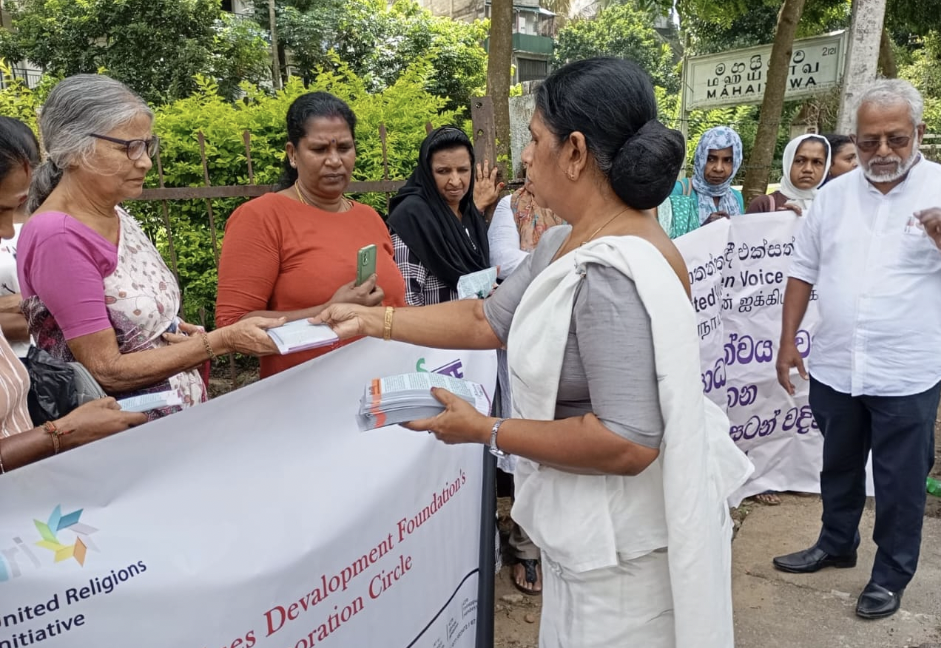
Sri Lanka: Healing, Unity, and National Coordination
In Sri Lanka, URI plays a critical role in national-level coordination and reconciliation, bringing together Cooperation Circles from across the island’s diverse religious and ethnic landscape.
In 2025 alone:
- 15 regional cluster meetings were conducted across multiple districts
- 6 new Cooperation Circles were formed or entered formal registration
- Over 300 new members joined the URI Sri Lanka network
Annual General Meetings held in Kandy, Gampola, and Anuradhapura surfaced new youth, women, and civil society leaders, strengthening succession and long-term sustainability within the network.
Through national CC leader gatherings and violence prevention trainings, URI Sri Lanka has strengthened unity, accountability, and shared strategy, aligning grassroots initiatives with a long-term national peacebuilding vision.
Cooperation Circle Leaders Annual Meeting
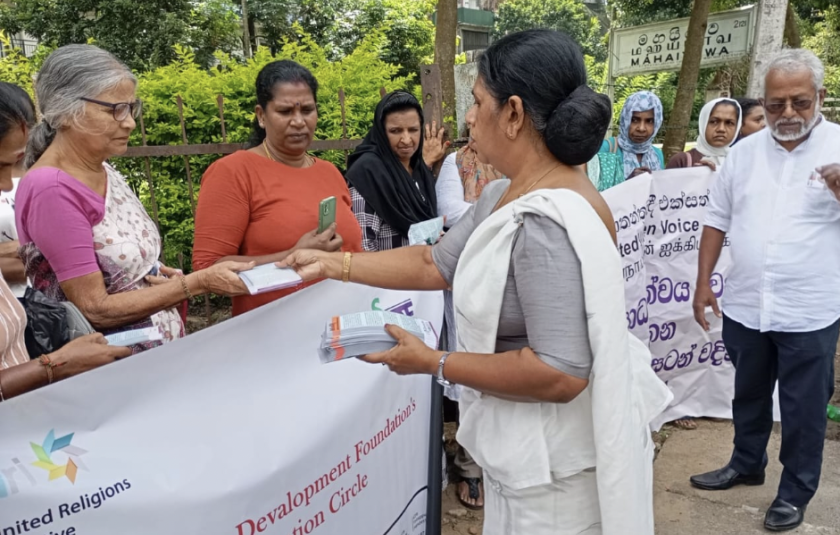
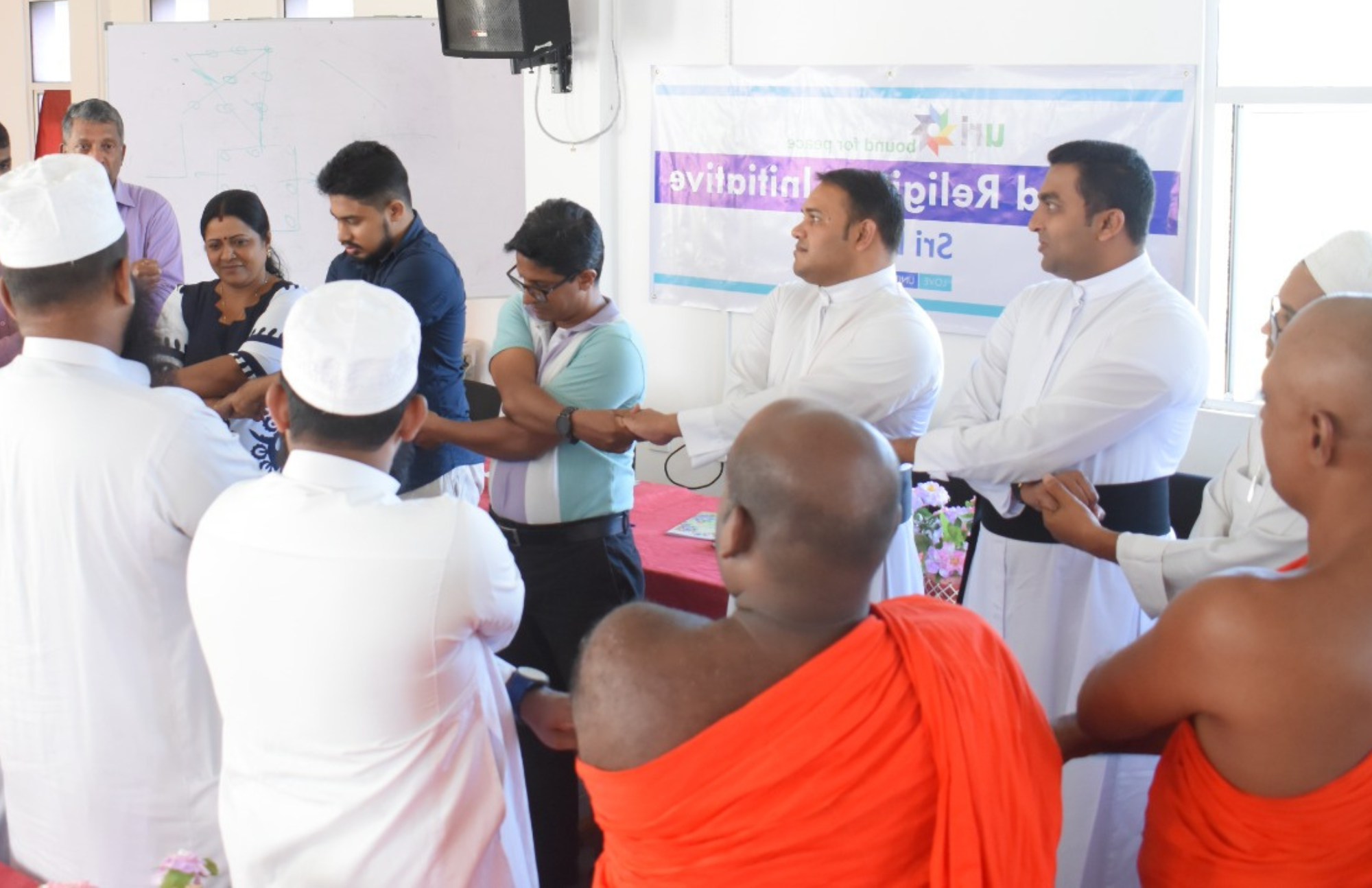
In February 2025, 43 CC leaders representing 17 Cooperation Circles gathered at the Sarvodaya Headquarters in Moratuwa for the URI Sri Lanka CC Leaders Annual Meeting, followed by a national violence prevention training.
This two-day convening aligned grassroots action with the 2025–2030 National Action Plan, strengthened inter-CC collaboration, and laid the groundwork for the 8th URI Sri Lanka National Assembly. Participants represented communities from Galle to Trincomalee, Anuradhapura to Nuwara Eliya reflecting the geographic and religious diversity of the island.
The outcome was a measurable shift toward shared ownership, improved coordination, and unified national strategy, a hallmark of URI Sri Lanka’s maturity as a movement.
CC Spotlight: Ratnapura Cooperation Circle
Focus: National coordination, climate leadership, interfaith convening
Ratnapura CC hosted the 8th URI Sri Lanka National Assembly 2025, welcoming more than 200 local participants from 20 CCs and 44 international delegates from India. Under the theme “Path to Carbon Neutrality: URI Collective Efforts for a Greener Tomorrow,” the assembly positioned Sri Lanka as a regional leader in faith-rooted climate action.
The gathering brought together senior religious leaders, academics, government representatives, and grassroots peacebuilders demonstrating how local CC leadership can anchor national and international collaboration.
Environmental Healing as Interfaith Responsibility
Environmental action has become a unifying force across URI Sri Lanka. From solid waste management trainings in Gampola to island-wide tree planting campaigns, CCs are translating spiritual values into tangible ecological outcomes.
Key achievements include:
- Solid Waste Management training engaging youth, government officials, CSOs, and CC members across multiple districts
- 25th Anniversary tree planting campaign, with each CC planting 25 trees and resulting in 500 trees planted nationwide
- Coastal and mangrove restoration initiatives led by multiple CCs
At the 8th National Assembly, spiritual leaders reinforced the moral foundations of this work, grounding climate action in shared ethical responsibility.
Preventing Violence: From Training to Transformation
Violence prevention remains a core pillar of URI Sri Lanka’s work. Building on regional training received in India, URI Sri Lanka conducted situational analysis workshops, identified 10 conflict-sensitive areas, and implemented a national Health Approach to Violence Prevention training for CC leaders.
Although initially planned for 30 participants, the training reached 43 CC leaders from across the island reflecting both demand and readiness within the network. These leaders are now actively integrating prevention strategies into their local initiatives, creating ripple effects across communities.
North and West India: Rebuilding Trust, Strengthening Networks
In the past year, the region has reactivated a wide and diverse network spanning urban and rural communities.
Regional Snapshot
- 74 CCs in North India, 27 CCs in West India
- 3 new CCs formed; 6 more in active engagement
- 24 in-person CC visits, 10 monthly online meetings, and 3 regional cluster gatherings
URI’s role here has been catalytic, reconnecting isolated CCs, nurturing leadership, and linking grassroots initiatives to national and international partners.
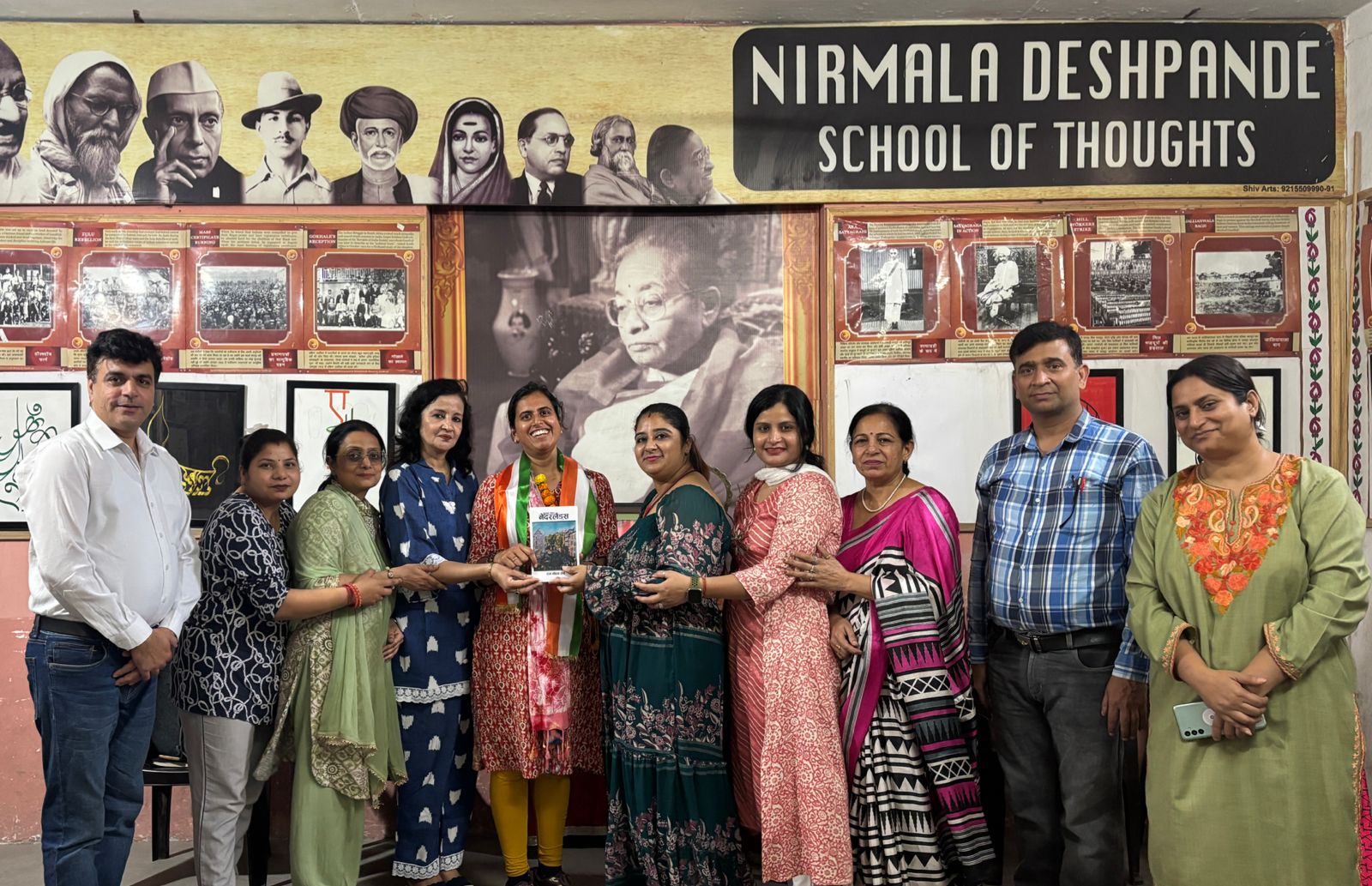
CC Spotlight: Sarvodaya Bundelkhand Cooperation Circle
When Small Steps Become Big Impact
During devastating floods in Bundelkhand, Sarvodaya Bundelkhand CC was responding independently with limited resources. URI stepped in as a bridge to support local fundraising, amplify grassroots work, and facilitate a partnership with Humanitarian Aid International (HAI). The collaboration resulted in nutritious food support for 400 families and community kitchens for flood-affected neighborhoods.
This story reflects URI’s unique strength in connecting local courage with global capacity.
East India
East India is one of URI Asia’s fastest-growing regions, with 76 Cooperation Circles and a 25% growth rate in the past year. The region is deeply engaged in addressing caste discrimination, ethnic violence, and youth inclusion through culture-based and faith-rooted initiatives.
Key achievements include:
Large-scale commemorations on WIHW, Women Day, Ambedkar Day, (Addressing caste Discrimination) Environment Day, Yoga Day, Hiroshima Day, (Nuclear Disarmament) Indigenous Day, IDP, Non-Violence Day, Children Day engaging 200–1,000 participants per event
- Distribution of 1,000 saplings, 1,200 blankets, and school supplies for 500 children
- Violence prevention work bringing together youth from conflict-affected regions, including Manipur
CC Spotlight: Mahila Vikash Samity CC
Focus: Education, women’s empowerment, caste equity
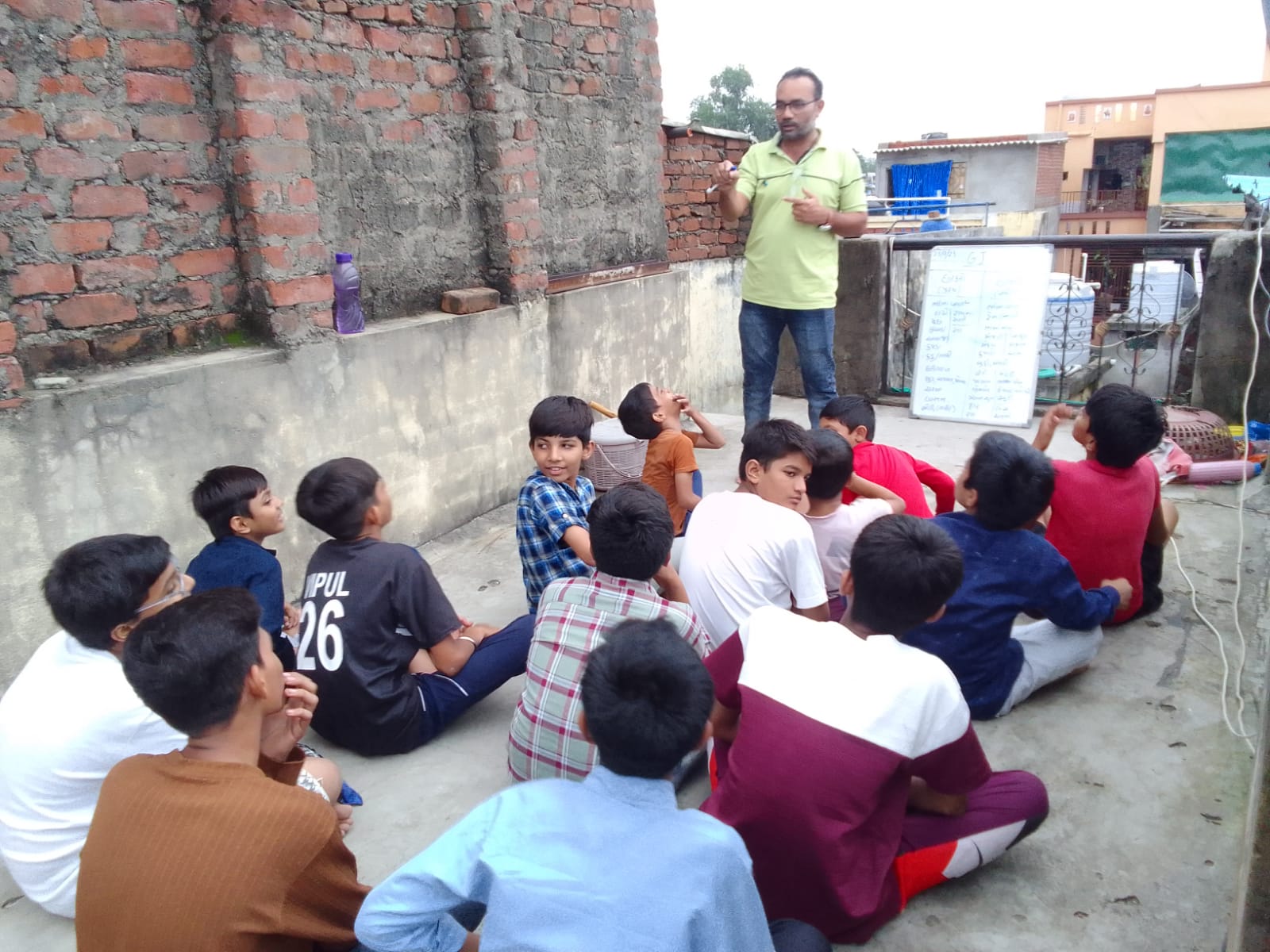
Operating in some of Jharkhand’s most underserved areas, Mahila Vikash Samity CC runs education programs for children who face systemic barriers to schooling and safety. Through interfaith cooperation, the CC creates safe learning spaces while empowering women to advocate for dignity, equality, and community well-being.
“Johar! We know that URI's 'U' stands for United, so as Unity. Let's unite and cooperate to spread love, peace, and understanding among all religions in preventing violence , we have witnessed that even larger conflicts can be resolved through love. URI guides us to create cultures of peace and justice for a harmonious world for all.” Manisha, Mahila Vikash Samity CC, Koderma, Jharkhand
Indigenous Communities, Environment, and Climate Justice
Tribal communities across East India face increasing threats from mining, deforestation, and industrial expansion. URI Cooperation Circles in Jharkhand, Bihar, Odisha, and West Bengal are responding through community-led environmental action, advocacy, and education. Campaigns such as Damodar Bachau Andolan and Jal-Jamin-Jangal have emerged as rallying cries for protecting land, water, and forests.
Each year, more than 20 CCs mobilize communities to plant between 1,000 and 5,000 saplings, strengthening both ecological resilience and collective ownership of natural resources. These efforts reinforce the inseparable link between environmental protection and indigenous livelihoods.
CC Spotlight: Bokaro Peace Circle
Focus: Violence prevention, environmental stewardship, community dialogue
Bokaro Peace Circle works at the frontline of peacebuilding by organizing violence prevention trainings, environmental awareness campaigns, and interfaith dialogues. The CC has been instrumental in advancing URI’s Violence Prevention Health Approach, helping communities detect and interrupt conflict, shift harmful norms, and foster collective responsibility for peace.
“ URI aims to foster interfaith understanding, building on this mission, URI established a presence in Jharkhand state, and within a few years, has successfully addressed various conflicts and advanced peace, justice, and healing. We now invite individuals and organizations to join us in this transformative journey, working collectively towards sustainable peace and harmony, which is utmost needed for all" Safroz Khan, Bokaro Peace Circle
Education, Youth, and Long-Term Resilience
Education remains a cornerstone of URI’s work in East India. Cooperation Circles run community schools, host awareness camps, provide scholarships, and offer teacher training reaching tens of thousands of children, particularly in tribal regions and urban slums. These initiatives not only address access to learning but also promote interfaith harmony, child protection, and shared civic values.
URI strengthens this work by connecting CCs with partners and Corporate Social Responsibility (CSR) funding, ensuring local initiatives gain sustainability while remaining community-led.
Asia’s Contribution to URI’s Global Mission
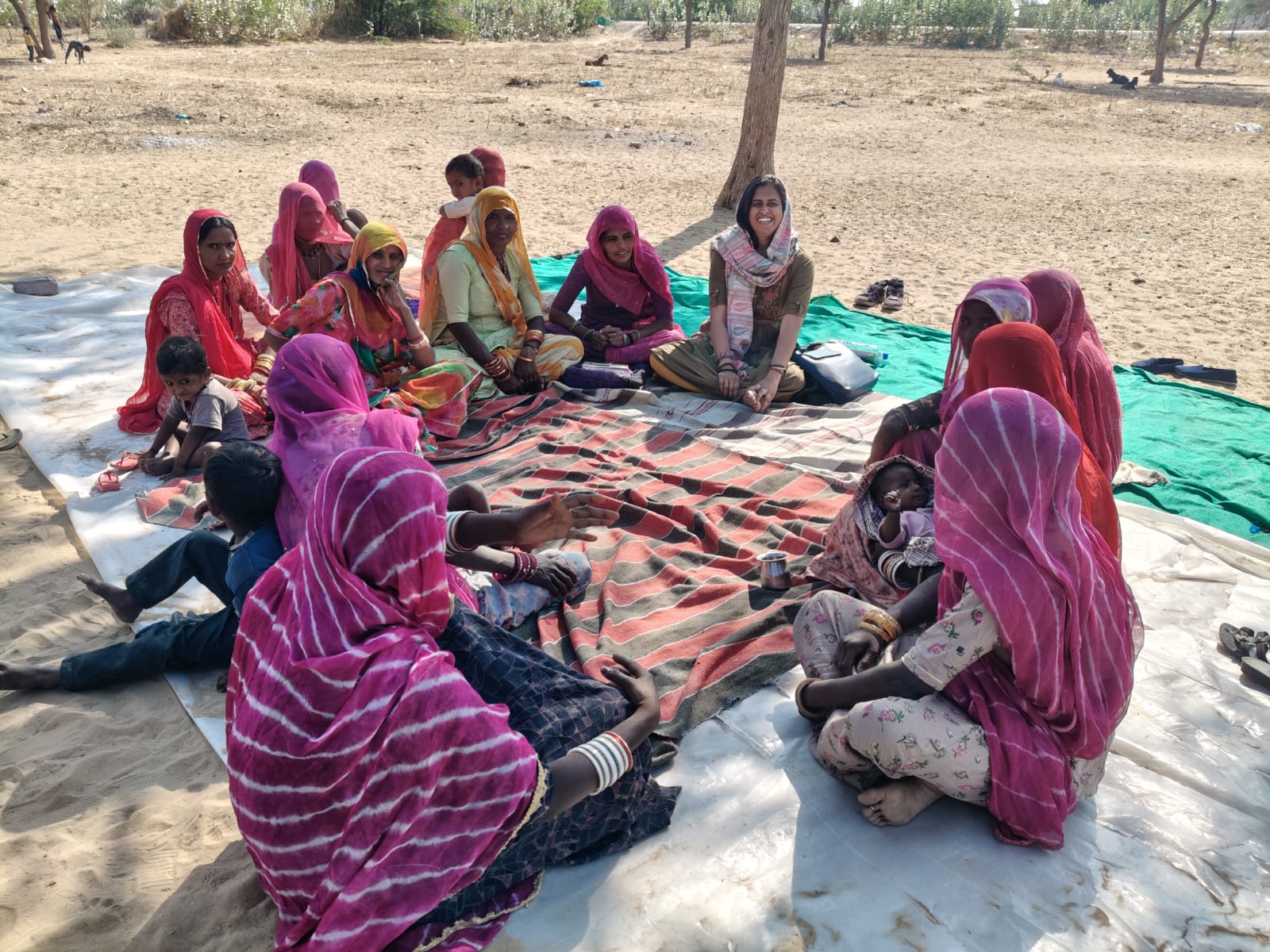
Across all regions, Asia advances a number of URI’s global priorities:
- Violence Prevention: Expanding the Health Approach through training and community-led action
- Youth Leadership: Scaling peace education through One Billion Youth for Peace
- Climate and Disaster Response: From river protection in South India to flood response in India and Sri Lanka
An Invitation to Invest in Peace
Asia’s story within URI is one of resilience, imagination, and collective action where local voices lead and global connections strengthen them.
With a sustained donor partnership, URI Asia is poised to:
- Deepen violence prevention in fragile contexts
- Invest in youth as long-term peacebuilders
- Strengthen Cooperation Circles as engines of community-led change
This is not one organization’s work; it is a shared movement. We invite you to stand with URI Asia as we continue building cultures of peace, justice, and healing across one of the world’s most vital regions.
Together, we stand strong. Together, we end violence. Together, we heal.